Commercial solar panel insurance
A rooftop array can be worth as much as the building under it, and the building's property policy may not cover it. Hail, wind, fire, theft and inverter failure are the losses that matter.
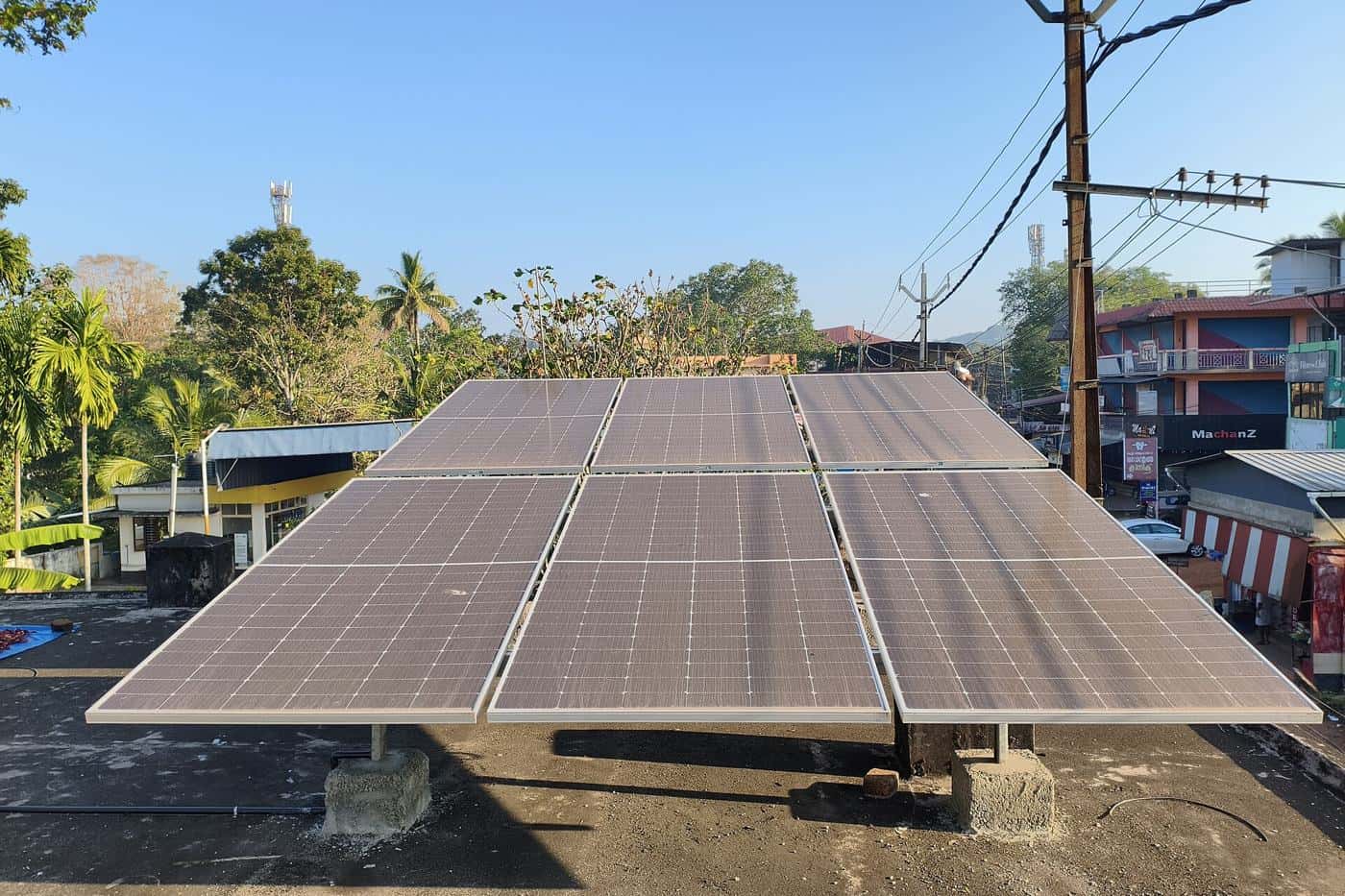
Who buys commercial solar coverage
- Building owners with rooftop or carport arrays
- Farms, warehouses and schools with ground-mount systems
- Third-party system owners under a power purchase agreement or lease
- Solar installers and EPC contractors during construction
Request a quote
There is no separate application for this class, so start with the short inland marine quote request. Someone will follow up with any underwriting questions specific to your risk. Insurance agents can also request an appointment.
What solar coverage can include
- Physical damage to panels, racking, inverters and wiring
- Equipment breakdown, including inverter and transformer failure
- Lost energy income or business income while the system is down
- Theft of panels and copper wiring
- Installation coverage while the system is being built
Common losses
Hail and wind
Hail can crack panel glass across a whole array in one storm, and high wind can lift panels and racking. Wind and hail deductibles are often a percentage of the insured value, so the out-of-pocket amount on a large array can be high.
Fire and electrical faults
Faulty connectors, damaged wiring and inverter failures can start fires on a roof. A fire can damage both the array and the building, and the two may be insured on different policies.
Theft and vandalism
Ground-mount and carport systems in open areas see theft of panels, copper and inverters. Underwriters ask about fencing, lighting and monitoring.
Who owns the array matters
If the building owner owns the system, it can sometimes be added to the property policy, but limits and hail deductibles often fall short. If a third party owns the system under a power purchase agreement or lease, the system owner insures it and the building owner may need to be named.
What underwriters ask
- System size in kilowatts and the installed cost or replacement value
- Rooftop, carport or ground-mount, and the age and condition of the roof
- Panel and inverter manufacturers and the installer
- Monitoring, fencing and security at the site
- Hail and wind exposure at the location
- Any lender, lessor or PPA insurance requirements
Installing solar
Solar installers need an installation floater for panels and components from the supplier to commissioning, and contractors equipment for their own tools and lifts. Larger projects may be written on builders risk.
Exclusions and gaps to ask about
Gradual loss of output, panel degradation and manufacturing defects are generally excluded. Those are warranty questions. Mechanical and electrical breakdown of inverters may need an equipment breakdown endorsement. Lost energy income is often not included unless added, and it may have a waiting period of several days before it pays. If the roof needs to be replaced, the cost to remove and reinstall the array is usually not an insured loss.
How to get a solar quote
- Gather the system size, installation date and the installed cost from the contract.
- List panel, inverter and racking manufacturers, plus any battery storage.
- Describe the mounting: rooftop, carport or ground, with the roof age if rooftop.
- Note who owns the system and pull any PPA, lease or lender insurance requirements.
- Estimate the monthly energy value or savings if you want lost energy income covered.
- Send the current building property declarations so the two policies can be coordinated.
Common questions
Does homeowners insurance cover solar panels?
Panels attached to a house are often covered as part of the dwelling on a homeowners policy, subject to its limits and exclusions. This page covers commercial systems: businesses, property owners and project owners, where a separate solar or inland marine policy is common.
Does my building policy cover rooftop solar?
It may, as part of the building, but check the limit, the wind and hail deductible, and whether lost energy income is included. Many policies were written before the array was installed and never updated.
Does the manufacturer's warranty replace insurance?
No. Panel and inverter warranties cover defects and output loss over time. They do not cover hail, wind, fire, theft or vandalism.
Is battery storage covered with the array?
It can be, but tell the underwriter. Battery systems add fire exposure and may be rated or written separately.
What is lost energy income coverage?
It pays for the value of power the system would have produced while it is down after a covered loss. It often has a waiting period before payments begin, so ask how many days.
Related coverage
Solar Energy Equipment
Panels, inverters and racking during installation and in operation, for installers, owners, hotels, apartments and lessors.
Coverage & quoteSolar Farms
Utility-scale and community solar: construction, operations, and lost revenue.
Coverage & quoteInstallation Floater
Covers materials and equipment you are installing until the owner accepts the job.
Coverage & quoteBuilders Risk
Covers the building while it goes up: framing, materials on site and in transit, through completion.
Coverage & applicationCommercial Property
Buildings, contents and business income at fixed locations: the partner to your inland marine.
Coverage & application