Solar farm insurance
Solar farms are insured in two phases: construction, written on builders risk or an installation floater, and operation, written as property with equipment breakdown and lost revenue.
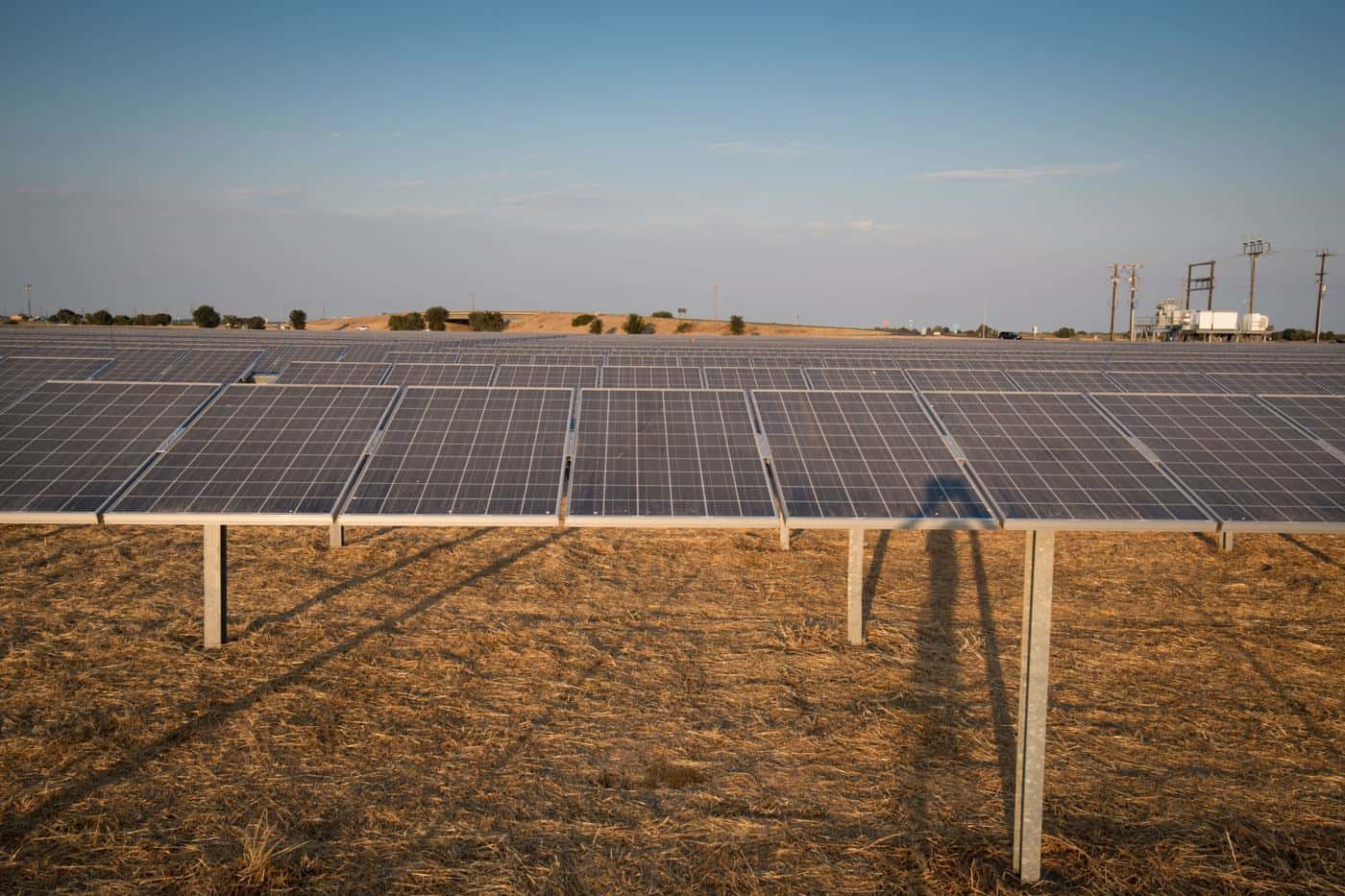
Construction phase
- Builders risk or installation floater for panels, trackers, inverters and substation equipment
- Delay in start-up, covering lost revenue when a covered loss pushes back the commercial operation date
- Transit and off-site storage of components
Request a quote
There is no separate application for this class, so start with the short inland marine quote request. Someone will follow up with any underwriting questions specific to your risk. Insurance agents can also request an appointment.
Operational phase
- Property coverage for the array, trackers, inverters, transformers and collection system
- Equipment breakdown for electrical and mechanical failure
- Business interruption and lost energy revenue
- General liability for the site
Typical solar farm exposures
Weather across a large footprint
A project spread over many acres is exposed to hail, tornado, flood and wildfire across its whole area. Hail has become a major concern for underwriters, and some projects are asked about panel glass thickness and hail stow features on trackers.
Substation and transformer failure
A main power transformer failure can take the entire site offline, and replacement equipment can have long lead times. Ask how long the business interruption period runs and whether it fits realistic replacement times.
Theft and vandalism
Remote sites see copper theft from the collection system and damage to fencing and equipment. Security, cameras and patrols factor into the terms.
What underwriters ask
- Megawatt capacity and total insured value
- Location, including hail, wind, flood and wildfire exposure
- Panel, inverter and tracker manufacturers
- Operations and maintenance contractor
- Lender and offtaker insurance requirements
Gaps and exclusions to review
Serial defects, where one design flaw affects many components, may be excluded or limited. Gradual degradation and loss of output from aging panels are not insured losses. Flood and earthquake are often written with sublimits that may not match the site's values. Business interruption may require a minimum outage period before it pays. Lenders often have specific wording for loss payee, additional insured and notice of cancellation, so share the financing documents early.
Solar farm or commercial solar
A rooftop or carport system at a business is usually insured on or alongside the building's property policy. A solar farm is a standalone power-generating business with its own revenue, lenders and offtake contracts, so it needs its own property, breakdown, business interruption and liability program. See commercial solar for building-mounted systems.
How to prepare a solar farm submission
- Pull the project summary: megawatt capacity, site address, acreage and commercial operation date.
- Break out values by component: modules, trackers or racking, inverters, transformers, substation and collection system.
- List the EPC contractor, O&M contractor and major equipment manufacturers.
- Gather the lender, tax equity and offtaker insurance requirements from the financing documents.
- Provide projected annual revenue for the business interruption or delay in start-up limit.
- Include site risk details: flood zone, hail history, fire breaks, fencing and monitoring.
Common questions
Who usually buys solar farm insurance?
The project owner, often a special purpose entity, buys it to meet lender and power purchaser requirements. The EPC contractor may buy the construction-phase coverage.
What is delay in start-up coverage?
It covers lost revenue and certain extra costs when a covered loss during construction pushes back the date the project starts producing power. Lenders often require it.
Does the policy cover reduced output from cloudy weather?
No. Weather-driven production shortfalls are not physical damage. Some projects look at separate weather or revenue hedge products, but those are outside a property policy.
How does the construction coverage hand off to operations?
The builders risk or installation floater usually ends at commercial operation or acceptance. The operational policy should start on that same date so there is no gap. Plan the handoff with your agent before the project is commissioned.
Related coverage
Solar Energy Equipment
Panels, inverters and racking during installation and in operation, for installers, owners, hotels, apartments and lessors.
Coverage & quoteCommercial Solar
Rooftop and ground-mount solar arrays at commercial locations, plus installation coverage.
Coverage & quoteBuilders Risk
Covers the building while it goes up: framing, materials on site and in transit, through completion.
Coverage & applicationInstallation Floater
Covers materials and equipment you are installing until the owner accepts the job.
Coverage & quoteCommunications & Towers
Radio, TV and cell towers, antennas, broadcast and transmission equipment.
Coverage & quote