Dumpster rental insurance
Every dumpster you drop sits on someone else's driveway or job site. Cracked driveways, damaged lawns, and injuries around the container are the claims dumpster rental companies see most.
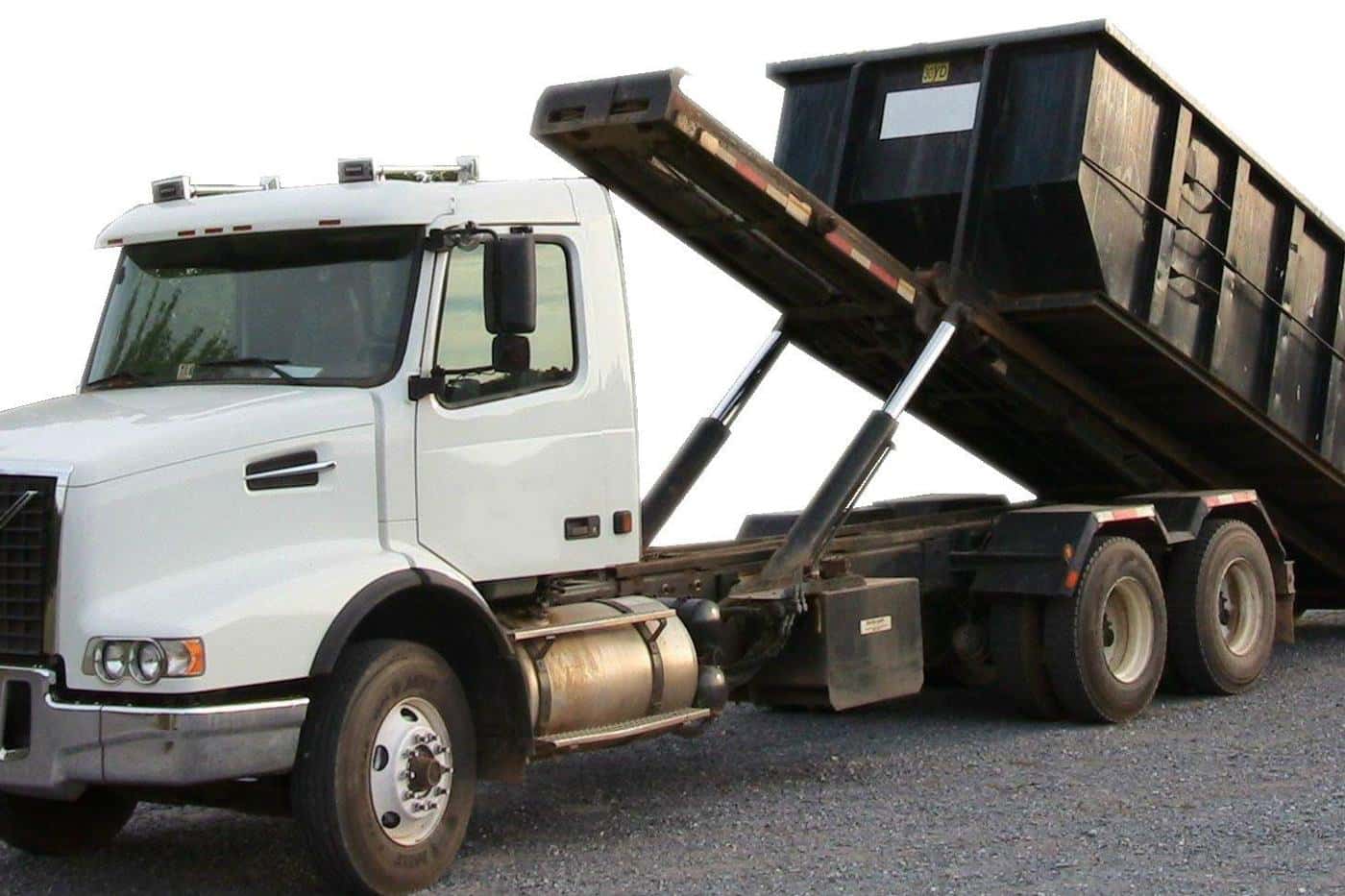
General liability
General liability covers injury and property damage caused by your operations, such as a driveway cracked by a loaded container or a pedestrian hurt by a container placed in the street. Some carriers limit coverage for damage to the surface the dumpster sits on, so check that wording.
Apply online
The online application asks the questions underwriters need for this coverage. Business owners fill it out directly, and insurance agents can complete it for a client or send it to them. Insurance agents can also request an appointment.
Coverage for the containers
Roll-off containers are equipment, and they spend most of their time away from your yard. An inland marine floater covers them against fire, vandalism, theft and storm damage at customer sites.
Container losses to ask about
Fires inside the container
Debris fires from hot ashes, discarded batteries or roofing work can warp the steel. Ask whether fire damage to the container is covered at the customer's site and what deductible applies.
Theft of containers
Containers are less likely to be stolen than tools, but it happens, often for scrap. Paint a unit number on each container and keep a schedule with sizes and values.
Wear, rust and overloading
Rusted floors, bent rails and damage from normal use are commonly excluded as wear and tear. Damage from a customer overloading a container may also be limited, so ask how the policy treats it.
What the application asks
- Number and sizes of containers
- Residential, commercial and construction customer mix
- Street placements and permit practices
- Roll-off trucks and drivers
- Materials accepted and where loads are taken
- Gross receipts and payroll
What to do after a placement damage complaint
- Take date-stamped photos of the driveway or ground before you drop a container and after you pick it up.
- When a customer reports damage, photograph and measure it as soon as you can.
- Pull the signed rental agreement, any damage waiver, and the delivery ticket with the driver's name.
- Write down the driver's account of the drop and pickup, including whether boards were used under the rails.
- Do not admit fault or promise a repair before the claim is reported.
- Report it to your agent with the photos, the customer's contact details and the container number.
Coverages often added
- Commercial auto for roll-off trucks, which is usually the largest premium
- Pollution liability for hauling and disposal
- Workers compensation for drivers and yard staff
Common questions
Is driveway damage covered?
It depends on the policy. Some general liability forms exclude damage to property you are working on, and some carriers add an exclusion for driveway damage. Many companies have customers sign a damage waiver and use plywood under the rails.
Do I need pollution coverage?
If you haul construction debris, roofing material, or anything that could leak, pollution liability is worth quoting. General liability usually excludes it.
Are containers covered while they are on my truck?
Many inland marine floaters include transit, but check whether the policy covers a container that falls during loading or unloading. Damage to the truck itself belongs on commercial auto.
Ready for a quote?
One online application. Owners and agents both welcome.
Start the dumpster rental applicationRelated coverage
Portable Toilet Rental
General liability plus coverage for your units, trailers and service equipment.
Coverage & applicationEquipment Rental Business
Rental yards renting tools, lifts, light towers and heavy equipment to contractors and homeowners.
Coverage & applicationEquipment Rented to Others
For contractors and owners who rent machines out: physical damage coverage plus the liability side.
Coverage & applicationMotor Truck Cargo
Covers the freight on your truck: carriers legal liability, owners cargo and contingent cargo.
Coverage & application