Builders risk insurance for new construction
Ground-up builders risk covers a new structure from the foundation pour to the final inspection, including the materials stacked on site that are not yet part of the building.
What the application asks
- Project address, type of building and number of stories
- Construction type: frame, joisted masonry, non-combustible and so on
- Completed value of the project and the hard and soft cost split
- Start date and expected completion date
- Site security: fencing, lighting, cameras, watch service
- Distance to the nearest fire hydrant and fire department
Apply online
The online application asks the questions underwriters need for this coverage. Business owners fill it out directly, and insurance agents can complete it for a client or send it to them. Insurance agents can also request an appointment.
Spec homes and owner-builders
Builders putting up a house on speculation need coverage that continues while the finished home sits on the market. Many builders risk policies end when construction is complete, so ask for a permission-to-occupy or vacancy extension if the house may sit unsold.
Owner-builders acting as their own general contractor can usually buy builders risk, but some markets want to see prior construction experience.
Frame construction and theft
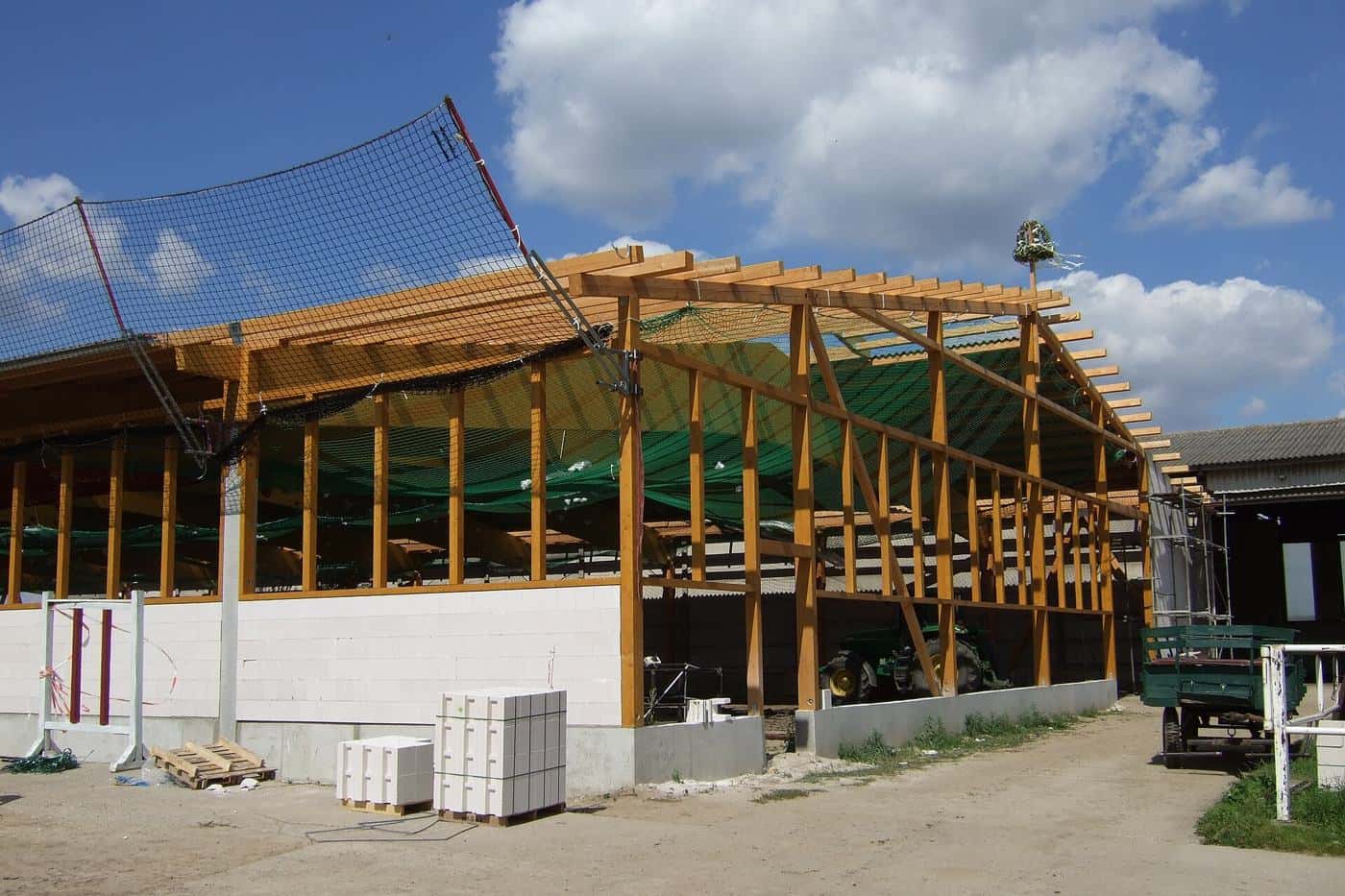
Wood-frame projects are the hardest to place because a frame building burns quickly and lumber is easy to steal. Fencing, lighting and cameras are not just good practice. They often decide whether a carrier quotes the project at all.
Fire during framing
An open frame with no drywall or sprinklers yet is at its most exposed. Underwriters ask about hot work rules, temporary heaters, fire extinguishers on each floor and how far the site is from a responding fire department.
Theft of materials and appliances
Lumber, copper wire and appliances waiting to be installed are common targets. Many policies require the site to be fenced or the materials locked up for theft coverage to apply, so ask what the policy requires before deliveries start.
Wind and water before the roof is on
Rain getting into an unfinished building is often excluded unless the roof and walls are in place first. In coastal areas, ask how named storm losses are handled and whether a separate deductible applies.
Steps to bind before ground breaks
- Confirm the completed value with your builder's budget, including labor, materials and the contractor's fee.
- Decide whether you need soft cost coverage for loan interest or other costs of a delayed finish.
- Write down the security plan for the site, especially for frame construction.
- Get the lender's name and mortgagee or loss payee wording from the loan documents.
- Complete the new construction application with the start and completion dates.
- Review the quote for theft conditions, water damage terms and how long the policy runs after completion.
- Bind the policy and send the declarations page to the lender before the first draw or delivery.
Common questions
When should builders risk start?
Before the first materials arrive on site. Many lenders will not release the first draw until they see a builders risk policy naming them.
Can I cover several projects on one policy?
Builders with steady volume can often buy a reporting form that covers every project started during the policy term, reported monthly, instead of buying a policy per project.
Does it cover the foundation and site work?
It depends on the form. Some policies exclude foundations below ground, land, site grading and underground pipes, or cover them only when listed. Ask how the completed value should treat those items.
Need a contractor license bond?
Many states and cities require a contractor license bond before you can get licensed or pull permits. Find the bond your state requires.
Ready for a quote?
One online application. Owners and agents both welcome.
Builders risk: new construction applicationRelated coverage
Builders Risk
Covers the building while it goes up: framing, materials on site and in transit, through completion.
Coverage & applicationBuilders Risk: Remodeling
Renovations, additions and gut rehabs, where new work goes into an existing building.
Coverage & applicationInstallation Floater
Covers materials and equipment you are installing until the owner accepts the job.
Coverage & quoteScaffolding & Temporary Structures
Scaffolding, shoring, forms, construction fencing and site trailers.
Coverage & application