Solar energy equipment insurance for installation and operation
Solar energy equipment insurance covers panels, inverters, racking and wiring from the day materials arrive through years of operation. Programs written for solar can include recycling costs, greener replacement after a loss, and optional cover for lost tax credits and incentives.
Who solar energy equipment insurance is for
Installation contractors
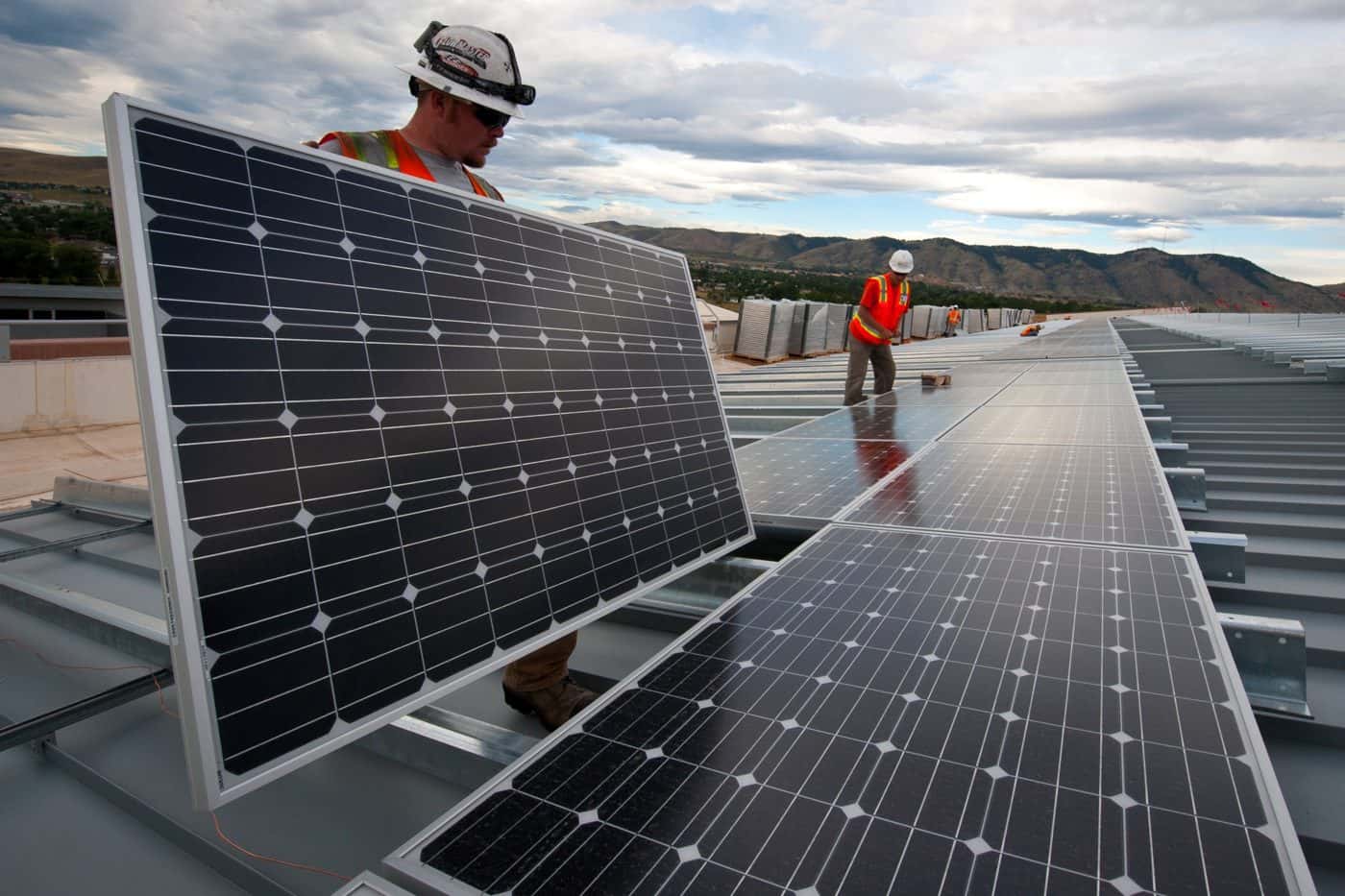
Solar installers carry the panels, inverters and racking from the supplier to the roof or field, and are often responsible for them until the owner accepts the system. Coverage during installation can include materials in transit, at temporary storage locations, and on the job.
Project and property owners
Owners of commercial rooftop arrays, carports and ground-mount systems need the equipment covered once it is operating, plus the income the system produces or saves.
Hotels, apartments and leasing companies
Hotels and apartment buildings with on-site solar, and companies that lease solar equipment to others, are also a fit for many solar programs. Leasing companies often need to be named on the policy as loss payee.
Request a quote
There is no separate application for this class, so start with the short inland marine quote request. Someone will follow up with any underwriting questions specific to your risk. Insurance agents can also request an appointment.
Eligible solar systems
- Installation projects, from delivery of materials to acceptance
- Permanent fixed-panel arrays on roofs, carports and the ground
- Building integrated photovoltaics (BIPV), such as solar roof tiles and facades
- Moving panels, including single-axis and dual-axis tracking systems
Coverage features to look for
Solar programs differ from a standard property policy in a few useful ways. Features available on some programs include:
- Specialized valuation: new equipment at replacement cost, panels at replacement cost while they are relatively new, and inverters at replacement cost less a set depreciation per year
- Debris removal with recycling expense, so panels can be recycled rather than sent to a landfill after a loss
- Upgraded cleaner or greener replacement, paying extra to replace damaged equipment with more efficient, lower-impact or safer equipment of the same capacity
- Property in transit, at temporary locations, and newly acquired property for a set number of days
- Temporary structures, scaffolding and falsework on installation projects
- Pollutant cleanup, emergency removal and fire department service charges
- Reimbursement for the unused part of an extended warranty or service contract after a covered loss
Optional coverages and enhancements
Equipment breakdown
Covers sudden electrical or mechanical failure of inverters, transformers and controls, which a standard solar form often excludes.
Business income, extra expense, and lost tax credits
For an operating system, business income coverage can pay for lost revenue or savings while the system is down. Some programs include tax credits and financial incentives lost because of a covered loss, along with civil authority and extra expense.
Construction project soft costs
For installation projects, soft cost coverage can pay interest on construction loans, real estate taxes, permit and license fees, engineering fees, and the cost of renegotiating leases when a covered loss delays completion. Loss of rental value can be included.
Ordinance or law, inflation protection and contingent coverage
Ordinance or law pays to bring a damaged system up to current code, including the undamaged part and demolition. Inflation protection can add limit when values have risen, and contingent coverage can respond when another policy that should pay does not.
How to get a solar energy equipment quote
- Say whether you need coverage for an installation project, an operating system, or both.
- List each site with its address, system size in kW, type of mounting, and the replacement value of panels, inverters and racking.
- Note the installation date and the age of the panels and inverters.
- For projects, give the contract value, start and completion dates, and where materials are stored before installation.
- List lenders, lessors or power purchase agreement parties that must be named on the certificate.
- Say which optional coverages you want priced: equipment breakdown, business income with tax credits, or soft costs.
- Start the solar quote request, or ask your agent to complete it with you.
How this page relates to the other solar pages
This page covers solar energy equipment for installers, owners, hotels, apartments and leasing companies. For more detail on commercial rooftop systems, see the commercial solar panel page. For utility-scale and community solar, see the solar farm page.
Common questions
Does solar insurance cover lost tax credits?
It can. Some solar programs offer business income coverage that includes tax credits and financial incentives lost because of a covered loss. It is usually an optional coverage, so ask for it to be quoted.
What is upgraded cleaner or greener replacement?
It pays an extra amount, often a percentage of the loss, to replace damaged equipment with equipment that is more efficient, has less environmental impact, or is safer, while keeping the same capacity and function.
Are panels covered while they are being installed?
They can be. Solar programs written for installation projects cover materials in transit, in temporary storage and on site until the project is accepted. An installation floater is another way to cover them.
Is equipment breakdown included?
Usually not by default. Equipment breakdown is commonly offered as an optional coverage for inverters, transformers and controls, often at the same limit as the covered property.
Can a hotel or apartment building insure its rooftop solar this way?
Yes. Hotels, apartment buildings and leasing companies are among the businesses many solar programs accept. Coverage can sit alongside the building's property policy.
Related coverage
Commercial Solar
Rooftop and ground-mount solar arrays at commercial locations, plus installation coverage.
Coverage & quoteSolar Farms
Utility-scale and community solar: construction, operations, and lost revenue.
Coverage & quoteInstallation Floater
Covers materials and equipment you are installing until the owner accepts the job.
Coverage & quoteBuilders Risk
Covers the building while it goes up: framing, materials on site and in transit, through completion.
Coverage & application