Equipment rental business insurance
An equipment rental company is liable for what its equipment does in someone else's hands, and its fleet spends most of its time off the lot. It needs liability written for rentals and a floater for the fleet.
Who buys it
General tool and equipment rental yards
Yards renting saws, compactors, generators, pressure washers and small excavators to both contractors and homeowners. The mix of renters matters, because homeowners are less likely to know how to run the equipment safely.
Heavy equipment rental
Companies renting loaders, dozers, excavators and cranes to contractors. Values per unit are high, so underwriters look closely at theft protection, transit and the renter's own insurance.
Aerial lifts and specialty equipment
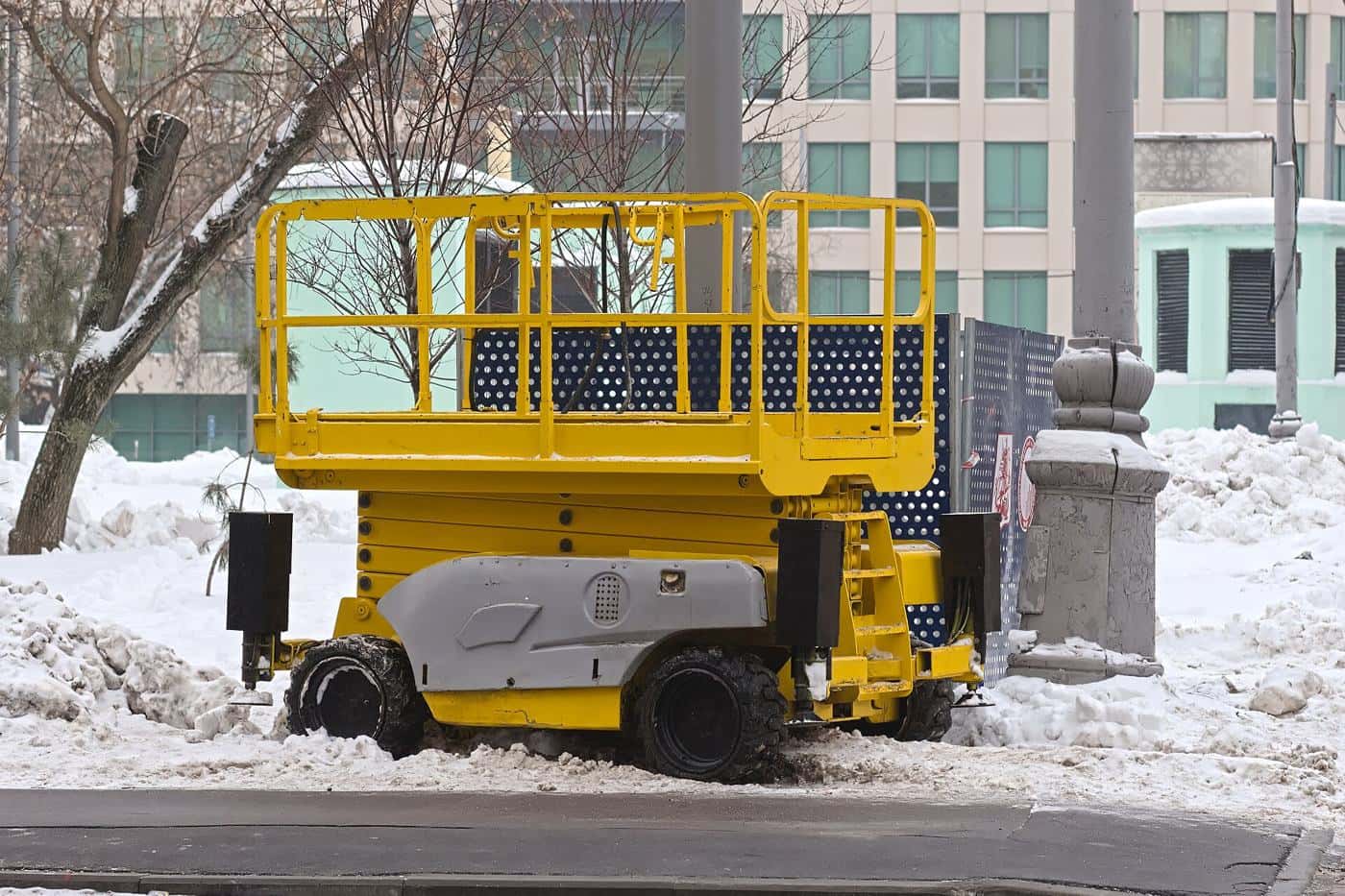
Scissor lifts, boom lifts, telehandlers and light towers. Tip-overs and falls drive the liability side, and renter training is one of the first things an underwriter asks about.
Party, tent and event rental
Tents, staging, tables and inflatables. Installation work and wind are the main concerns, and these accounts may be placed differently from contractor rental yards.
Apply online
The online application asks the questions underwriters need for this coverage. Business owners fill it out directly, and insurance agents can complete it for a client or send it to them. Insurance agents can also request an appointment.
Liability for rented equipment
If a rented lift tips because of a defect, or a renter is hurt because no one showed them how to use a trencher, the rental company is often named in the lawsuit. Rental liability coverage addresses that, and underwriters look closely at your rental agreement and renter training.
The rental fleet
- Equipment on your lot and out on rent
- Equipment in transit on your delivery trucks
- Theft by renters who never return equipment, often limited or excluded
- Rental income lost while damaged equipment is repaired
Typical losses
- A renter or bystander hurt using equipment, with the rental company named alongside the renter
- Equipment stolen from an unsecured job site while on rent
- A machine that overturns or falls during loading, unloading or transport
- A renter who uses a fraudulent ID or payment and never returns the equipment
- Damage from misuse, such as a generator run without oil or a lift driven on soft ground
Gaps to ask about
Failure to return
When a renter keeps equipment, many floaters treat it as conversion or embezzlement and exclude it. Some offer limited coverage if you follow conditions such as checking ID and taking a card payment. Ask what the conditions are and follow them on each rental.
Mechanical breakdown and wear
Engine failure, hydraulic failure and normal wear are commonly excluded from the fleet floater. Your maintenance program, not the policy, usually handles those costs.
Operated rentals
Renting a machine with your own operator is closer to contracting work than bare rental. It can change your liability class and may raise care, custody or control questions, so tell the underwriter if you do it.
Rental business or equipment rented to others
A contractor who occasionally rents a machine to another contractor can often add equipment rented to others to its contractors equipment floater. A business whose main income is rentals usually needs a rental dealer floater and liability written for rental operations, because the exposure is the core of the business rather than a side activity.
What underwriters look at
- Types of equipment rented and the most hazardous items
- Homeowner versus contractor renters
- Written rental agreement with indemnity and insurance requirements
- Pre-rental inspection, maintenance records and renter instruction
- Delivery, setup and operated rentals
How to get an equipment rental quote
- Build a fleet schedule with year, make, model, serial number and value for each higher-value unit, and a total for small tools.
- Break down rental revenue by equipment type and by contractor versus homeowner renters.
- Send a copy of your rental agreement, plus details of any damage waiver you sell.
- Describe delivery, setup and any rentals that include your operator.
- List your locations and how the lot is secured after hours.
- Explain your pre-rental inspection, maintenance records and renter instruction process.
- Gather three to five years of loss runs for liability and equipment.
Common questions
Do you also cover scaffolding and party rental?
Yes, they are submitted the same way. Scaffolding erection and tent installation are underwritten carefully, so describe them in the application.
Is equipment a renter never returns covered?
Often it is limited or excluded as conversion. Some policies cover it if you meet conditions like verifying ID and taking a card payment, so ask what the policy requires.
Is a damage waiver the same as insurance?
No. A damage waiver is a contract term where you agree not to charge the renter for certain damage in exchange for a fee. Some states regulate how waivers are sold, and your floater may still respond to the damage, so ask how the two work together.
Should I require renters to carry their own insurance?
Many rental companies require contractor renters to show general liability and coverage for rented equipment, and to name the rental company as loss payee or additional insured. Underwriters often look for that requirement in your rental agreement.
Ready for a quote?
One online application. Owners and agents both welcome.
Start the equipment rental applicationRelated coverage
Equipment Rented to Others
For contractors and owners who rent machines out: physical damage coverage plus the liability side.
Coverage & applicationPortable Toilet Rental
General liability plus coverage for your units, trailers and service equipment.
Coverage & applicationDumpster Rental
General liability for roll-off and dumpster rental, plus coverage for the containers.
Coverage & applicationScaffolding & Temporary Structures
Scaffolding, shoring, forms, construction fencing and site trailers.
Coverage & application