Private art collection insurance
A homeowners policy pays limited amounts for art and collectibles and usually depreciates them. A private collection policy schedules each piece at an agreed value and covers it at home, in storage, in transit and on loan.
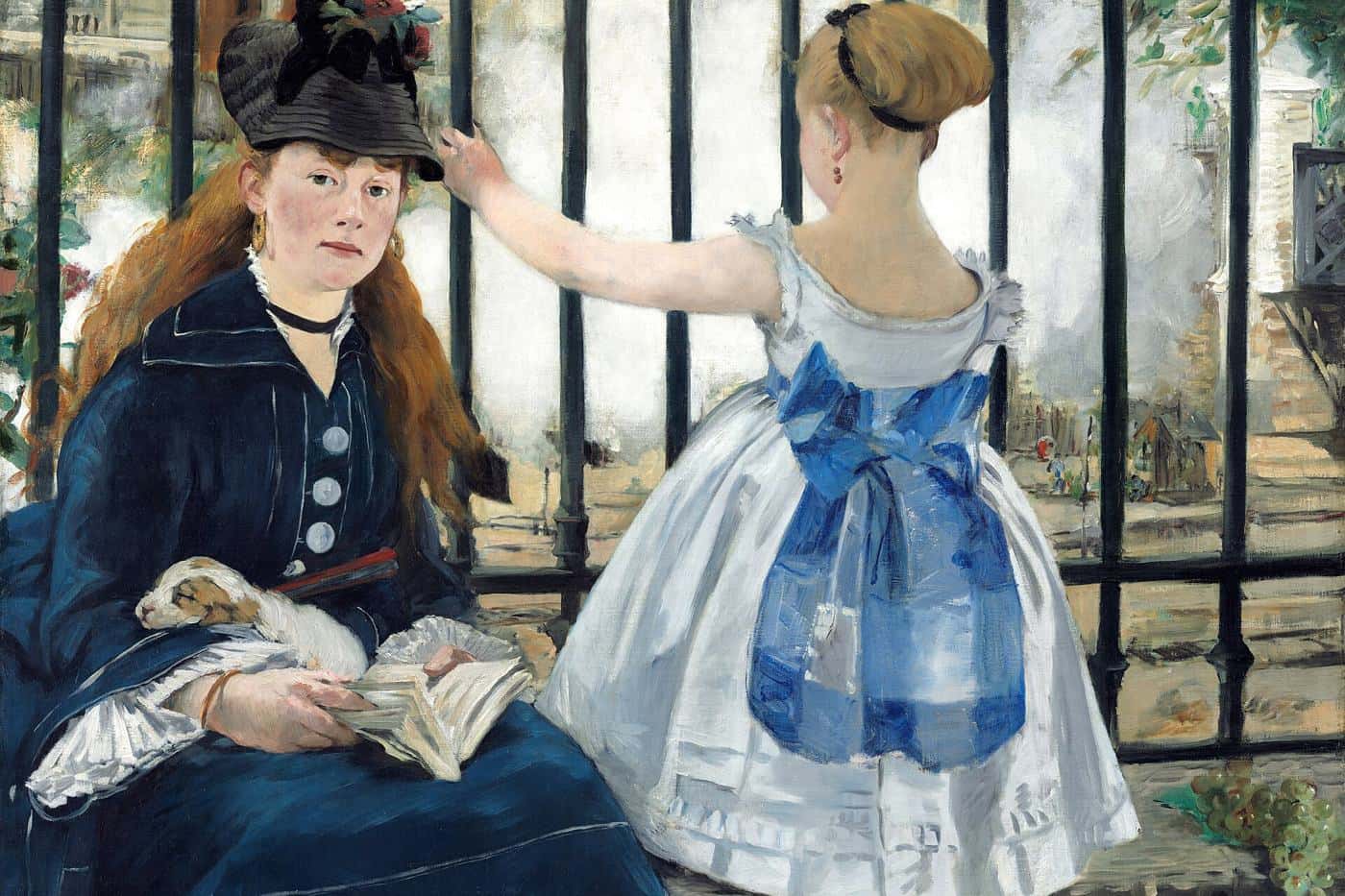
What collectors insure
- Paintings, works on paper, photographs and sculpture
- Antiques, rugs and furniture
- Wine, spirits and cellars
- Coins, stamps, sports memorabilia and other collectibles
- Collections stored in a second home or a fine art storage facility
Apply online
The online application asks the questions underwriters need for this coverage. Business owners fill it out directly, and insurance agents can complete it for a client or send it to them. Insurance agents can also request an appointment.
Why a homeowners policy falls short
Low special limits
Many homeowners policies cap theft of items like silverware, coins, stamps and collectibles at a small amount. A single painting or watch can exceed it.
Depreciation and named perils
Contents are often settled at actual cash value, and some forms only cover named perils. Breakage of fragile objects and accidental damage may not be covered at all.
Limited coverage away from home
Art at a framer, in a storage unit, at an auction house or on loan to a museum may get little or no coverage under the home policy. A collection policy is written to follow the objects.
Features to ask about
- Agreed value per scheduled piece
- Automatic coverage for newly acquired items
- Market value appreciation on recently purchased pieces
- Breakage coverage for fragile items
- Pairs and sets clause
What underwriters ask collectors
- Total collection value and the most valuable single items
- Where the collection is kept, including second homes and storage facilities
- Central station alarm, fire detection and any safe or vault
- Climate control for wine, works on paper and other sensitive items
- Whether the home is in a flood, wildfire or hurricane area
- How often pieces travel, are lent or are consigned for sale
Exposures to plan for
Water damage from a burst pipe or roof leak is a frequent cause of loss for collections at home. Wine cellars can lose an entire inventory when the cooling system fails, and spoilage from mechanical failure may need to be added. Fragile objects are at risk during moves and renovations, when contractors are in the house and pieces are packed by people who do not handle art. Tell your agent before a move or a major renovation.
How to get a private collection quote
- Photograph each valuable piece and note the artist or maker, title, size and condition.
- Collect appraisals, receipts or auction records, and note how old each appraisal is.
- Group lower-value items by class, such as wine, rugs or memorabilia, with a total for each group.
- List each location where items are kept, with alarm and fire protection details.
- Note any pieces on loan, in storage or consigned for sale.
- Send your current homeowners declarations so the two policies can be coordinated.
Common questions
Can I insure a collection stored outside my home?
Yes. Most private collection policies cover objects at listed storage locations and at temporary locations like framers and auction houses.
Should I schedule items on my homeowners policy instead?
A homeowners scheduled personal property endorsement can work for a few items. Collectors with many pieces, high values or frequent loans and transit often get broader terms and better valuation from a standalone collection policy.
How often should I update my appraisals?
Many collectors update every three to five years, sooner for artists or categories whose market has moved. An out-of-date value can leave a piece underinsured.
Is a wine collection covered if the cellar cooling fails?
Not by default on many forms. Spoilage from a change in temperature, often tied to mechanical or electrical failure, may need to be added. Ask about it if you store wine in a cooled cellar.
Ready for a quote?
One online application. Owners and agents both welcome.
Private collector applicationRelated coverage
Fine Arts
Paintings, sculpture, antiques and collectibles for museums, galleries, dealers and private collectors.
Coverage & quoteFine Arts Floater
Coverage that follows the art: on the wall, at the framer, in the crate and on loan.
Coverage & quoteFine Arts Crime
Employee theft, forgery and fraud coverage for galleries, dealers and museums.
Coverage & applicationExhibition & Trade Show
Exhibits, displays and loaned works at shows, fairs and traveling exhibitions.
Coverage & quote