Exhibition and trade show insurance
Exhibitions put valuable property in the hands of shippers, installers and the public. An exhibition floater covers it from the moment it leaves your door to the moment it comes home.
Who uses exhibition coverage
- Companies exhibiting at trade shows with booths, displays and product samples
- Museums borrowing or lending works for a traveling exhibition
- Artists and galleries showing at art fairs
- Collectors exhibiting at shows and conventions
Request a quote
There is no separate application for this class, so start with the short inland marine quote request. Someone will follow up with any underwriting questions specific to your risk. Insurance agents can also request an appointment.
Nail to nail
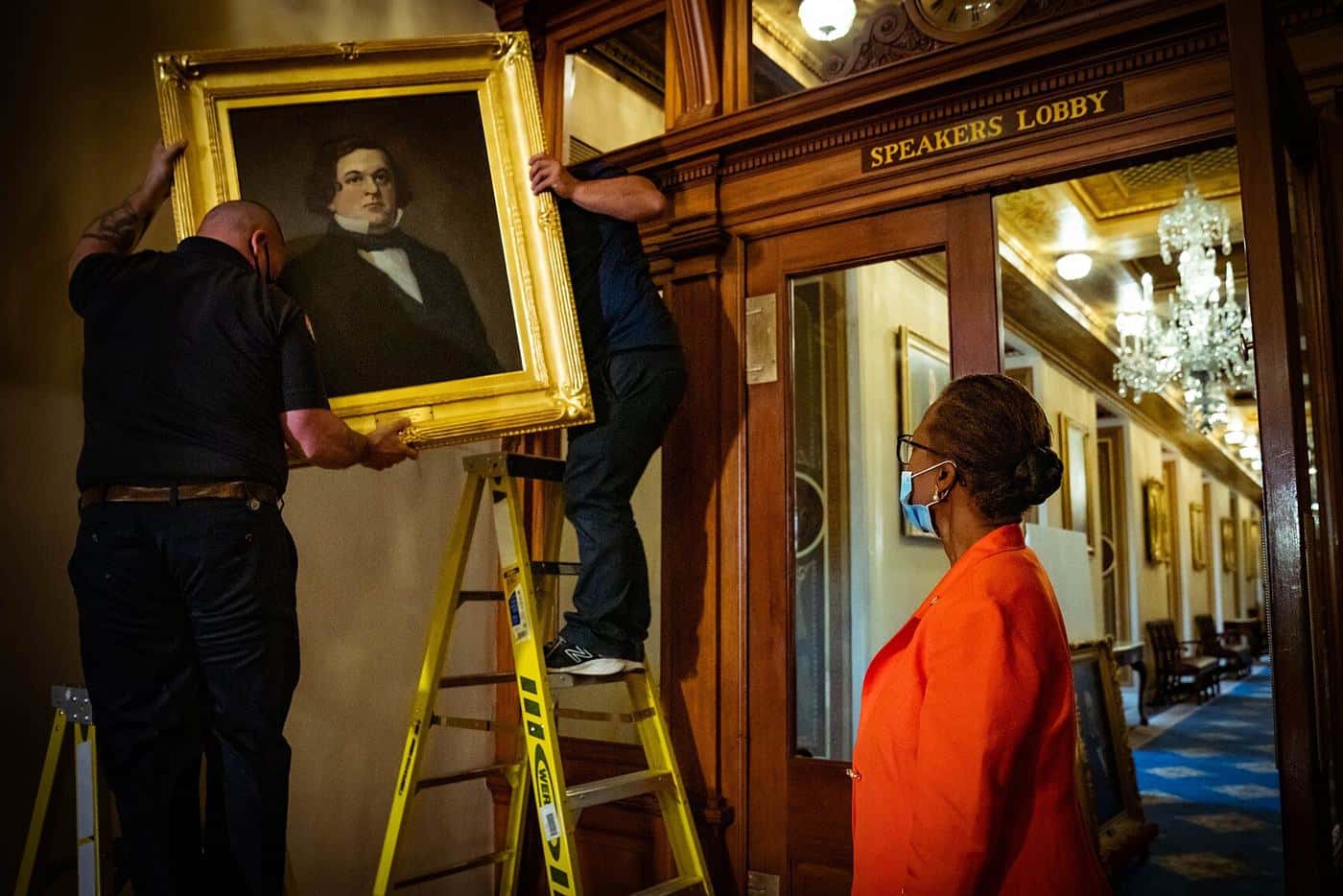
Museum loan agreements often require "nail to nail" coverage: from the moment a work comes off the lender's wall to the moment it goes back up. That includes packing, transit, installation, the exhibition itself and the return trip.
Trade show exhibits
Trade show exhibitors usually need coverage for the booth, displays, demo equipment and samples, plus general liability naming the show organizer as additional insured. The floater covers the property. General liability covers the people walking through the booth.
Typical exhibition losses
Damage in shipping and drayage
Crates are forklifted, stacked and stored at marshalling yards before the show. Dropped crates and water damage in storage are common, and the freight carrier's liability is often limited by weight, not value.
Theft during setup and teardown
Load-in and load-out are the busiest, least secure hours of a show. Laptops, tablets, samples and small displays go missing from open booths. Ask how the policy treats theft from an unattended booth.
Damage on display
Visitors bump pedestals, touch surfaces and knock over displays. For loaned art, even a small mark can mean a conservator's bill and a claim for loss in value.
What underwriters ask
- The total value of property going to each show, and the highest value at any one show
- Number of shows or venues per year, and whether any are outside the US
- How exhibits are packed and who ships them
- Security at the venue, including overnight guards and locked storage
- For loaned works: the loan agreement, the lender's values and any wall to wall requirements
How to set up exhibition coverage
- List the shows or venues for the year, with dates and locations.
- Value the booth, displays, demo equipment and samples, or the loaned works, for each trip.
- Pull the organizer's or lender's contract and note the insurance requirements and certificate wording.
- Choose an annual floater for a regular show schedule or a single-exhibition policy for a one-off.
- Confirm the transit, installation and storage periods are covered, not just the show dates.
- Send certificates to the show organizer or lender before the move-in date.
Common questions
Does the venue's insurance cover my exhibit?
Rarely. Venue and show organizer contracts usually make exhibitors responsible for their own property and require exhibitors to carry insurance.
Can I buy coverage for a single show?
Yes. Single-event exhibition coverage is available, but companies doing several shows a year often find an annual floater simpler to manage.
Who insures borrowed art for an exhibition, the lender or the borrower?
The loan agreement decides. The borrowing institution often insures the work nail to nail at the lender's value, but some lenders keep their own coverage and require a waiver of subrogation instead.
Does exhibition coverage include general liability?
No. The exhibition floater covers your property. Bodily injury and property damage to others at the booth are a general liability question, which the show organizer usually requires separately.
Related coverage
Fine Arts Floater
Coverage that follows the art: on the wall, at the framer, in the crate and on loan.
Coverage & quoteFine Arts
Paintings, sculpture, antiques and collectibles for museums, galleries, dealers and private collectors.
Coverage & quoteAV & Production Equipment
Cameras, lighting, sound and staging gear for production crews and event companies.
Coverage & quoteMiscellaneous Floater
For movable business property that doesn't fit any other class, listed item by item.
Coverage & quote