Rented equipment insurance for machines you rent or lease
Most rental agreements make the contractor responsible for the machine from the moment it leaves the rental yard until it is returned. If it is stolen or rolled over, the rental company bills you for it.
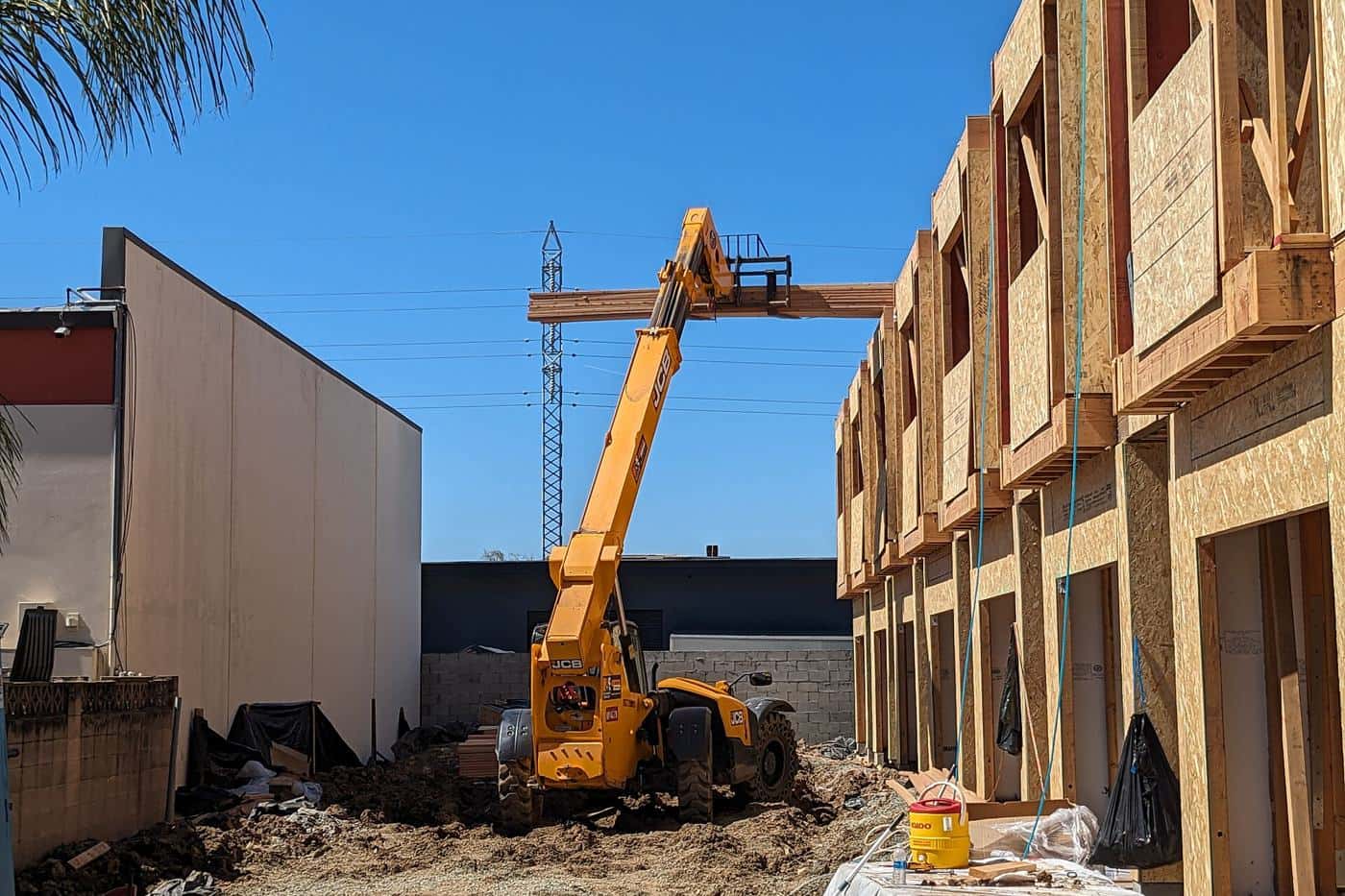
How rented equipment coverage works
Rented and leased equipment is added to a contractors equipment policy with its own limit, usually written as a maximum for any one rented item. It responds the same way coverage on your owned equipment does, so theft, collision, fire and vandalism are covered while the machine is in your care.
The limit has to be high enough for the most expensive piece you rent. A $50,000 limit does not help when the rented excavator is worth $180,000.
Apply online
The online application asks the questions underwriters need for this coverage. Business owners fill it out directly, and insurance agents can complete it for a client or send it to them. Insurance agents can also request an appointment.
One equipment floater. Four coverages. Pick any combination.
You don't need four policies. Each of these is an option on the same equipment floater, and the application asks which ones you want.
- Equipment you ownScheduled machines plus a blanket limit
- Equipment rented FROM othersYou are here
- Equipment rented TO othersYour machines while someone else has them
- Tools and small equipmentHand and power tools, lasers, ladders
Rental reimbursement and continuing rental charges
Two extensions often get confused.
Rental reimbursement
Rental reimbursement pays to rent a replacement when one of your own machines is down after a covered loss. It usually has a daily or weekly maximum and a waiting period before it starts.
Continuing rental charges
Continuing rental charges pays the rent you still owe on a damaged rented machine while it is out of service. Many rental contracts keep billing until the machine is repaired or paid off, so ask how long the policy pays these charges.
Before you pick up a rented machine
- Read the rental contract's damage, theft and loss-of-use clauses so you know what the rental company can bill you for.
- Check the replacement value of the machine against your rented equipment per-item limit. If the machine is worth more, ask to raise the limit before the rental starts.
- Send the rental company a certificate of insurance showing the rented equipment limit and naming them as loss payee, if they require it.
- Decide on the damage waiver based on what your own policy covers and your deductible, not by habit.
- Photograph the machine and note existing damage on the delivery ticket when it arrives on site.
- Secure the machine after hours the way your policy requires, such as removing keys or using the rental company's lockout.
Should you buy the rental company's damage waiver?
A damage waiver is not insurance. It is the rental company agreeing not to charge you for certain damage, in exchange for a daily fee, usually 10 to 15 percent of the rental rate. Waivers often exclude theft from an unsecured site, tire damage and negligent use.
If you rent equipment more than a few times a year, a rented equipment limit on your own policy is often cheaper than paying waivers on every rental. Many rental companies will accept a certificate of insurance instead of the waiver.
What the rental company may ask for
- A certificate of insurance showing a rented or leased equipment limit
- The rental company named as loss payee for rented equipment
- Proof of general liability, often naming them as additional insured
Common questions
Does my policy cover equipment I borrow from another contractor?
Borrowed equipment is usually treated like rented equipment and falls under the same limit, but some policies only cover equipment rented under a written contract. Ask before you borrow a high-value machine.
How do I pick a rented equipment limit?
Start with the most valuable machine you would rent in a year, and consider how many rented machines could be on one site at once. The per-item limit and the total limit are often set separately.
What about long-term leases?
Equipment on a long-term lease is often scheduled like owned equipment, with the lessor named as loss payee. The lease agreement usually spells out the coverage you must carry.
Does my deductible apply to rented equipment claims?
Usually, yes. Many policies apply the same deductible to rented equipment as to owned equipment, and some set a separate one. Compare that deductible to the rental company's waiver terms when deciding whether to buy the waiver.
Need a contractor license bond?
Many states and cities require a contractor license bond before you can get licensed or pull permits. Find the bond your state requires.
Ready for a quote?
One online application. Owners and agents both welcome.
Start the contractors equipment applicationRelated coverage
Owned Equipment
Scheduled or blanket coverage for the machines and attachments you own or finance.
Coverage & applicationEquipment Floater
Covers mobile equipment wherever it goes: the yard, the trailer, and every job site in between.
Coverage & applicationEquipment Rented to Others
For contractors and owners who rent machines out: physical damage coverage plus the liability side.
Coverage & applicationWhat Affects the Cost
The rating factors that move a contractors equipment premium up or down.
Coverage & application