Fine art insurance for museums, galleries and collectors
Fine art does not fit an ordinary property policy. Values are agreed in advance rather than depreciated, objects travel to exhibitions and conservators, and a single scratch can cost more than the frame it sits in.
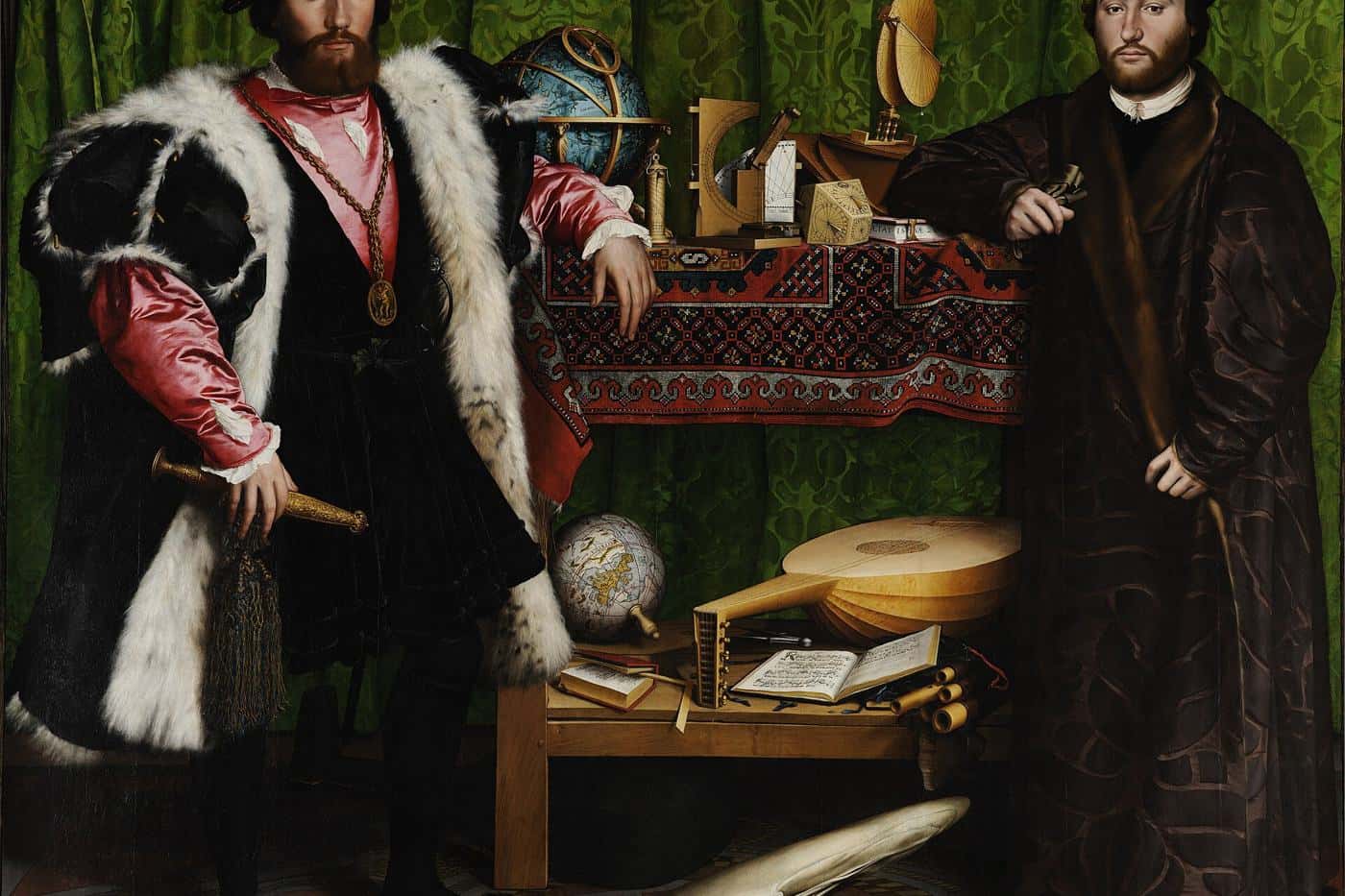
Who buys fine art insurance
- Museums, historical societies and cultural institutions
- Galleries and art dealers, including consigned work
- Private collectors and family collections
- Artists and artist studios
- Corporate art collections
Request a quote
There is no separate application for this class, so start with the short inland marine quote request. Someone will follow up with any underwriting questions specific to your risk. Insurance agents can also request an appointment.
What fine arts coverage includes
- Agreed or scheduled value for each object, so there is no depreciation argument after a loss
- Coverage on premises, in transit, and at other locations such as framers, conservators and exhibitions
- Breakage of fragile items, when added
- Pairs and sets, paying for the loss in value when one piece of a set is damaged
- Newly acquired works for a set number of days
Common exclusions to ask about
Wear, tear and gradual deterioration
Fading, flaking paint, insect damage and slow deterioration are usually excluded. Climate control and good storage are the answer here, not insurance.
Restoration and repair
Damage that happens while a work is being restored, repaired or retouched is a common exclusion. The conservator's own coverage is usually the first place to look.
Breakage of fragile objects
Glass, ceramics, marble and similar objects may be excluded from breakage unless the peril is added. Ask whether breakage is included and whether it applies in transit.
Fine arts and crime
Fine arts policies cover theft by outsiders. Theft by your own employees, volunteers or a dishonest consignee is often a crime insurance question. Museums and galleries with staff handling collections should look at both. See the fine arts crime page.
How to get a fine arts quote
- Build an inventory: artist, title, medium, dimensions and a photo for each valuable piece.
- Gather values: recent appraisals, bills of sale or auction records for the scheduled items.
- Decide what to schedule one by one and what can sit under a blanket limit.
- List each location where the art is kept, with alarm, fire and climate control details for each.
- Note planned transit, loans and exhibitions for the coming year.
- Send any prior loss history and copies of loan or consignment agreements with insurance requirements.
Choose the right application
- Museums and cultural institutions: the museum application
- Private collectors: the private collector application
- Galleries, dealers, artists and everyone else: the fine arts quote request
Fine arts insurance application
There are three ways to apply on this site, depending on who owns the art. Museums and cultural institutions use the museum application. Private collectors use the private collector application. Galleries, dealers, artists and corporate collections use the fine arts quote request.
Each one asks for an inventory or schedule of the most valuable pieces with appraisals or recent sale values, where the art is kept and how it is protected, how often it travels, and any losses in the past few years.
Common questions
Is there insurance for art galleries?
Yes. Galleries can insure their own inventory and work on consignment, on premises, in transit and at art fairs, on a fine art policy. Theft by employees or a dishonest consignee is usually a crime insurance question.
Is there a fine arts insurance application online?
Yes. Museums and private collectors each have their own online application, and galleries, dealers and artists can use the fine arts quote request. All three can be completed by the owner or by an insurance agent.
What is agreed value?
Agreed value means you and the insurer set the value of each scheduled object when the policy is written, often from a recent appraisal. If the object is destroyed, the policy pays that amount without depreciation.
Do I need an appraisal?
For scheduled items of significant value, most insurers want a recent appraisal, bill of sale or auction record. Appraisals older than three to five years may need updating.
Is fine arts coverage different from a homeowners or business property policy?
Yes. Property policies often cap art at a low amount and settle on actual cash value. A fine arts form is built around agreed values, transit and off-site locations.
Related coverage
Fine Arts Floater
Coverage that follows the art: on the wall, at the framer, in the crate and on loan.
Coverage & quoteMuseums
Permanent collections, loans in and out, and the institution's buildings and liability.
Coverage & applicationPrivate Collections
Agreed-value coverage for art, antiques, wine, jewelry and collectibles at home or on loan.
Coverage & applicationExhibition & Trade Show
Exhibits, displays and loaned works at shows, fairs and traveling exhibitions.
Coverage & quote