Course of construction insurance
Course of construction insurance, often shortened to COC, covers a building and its materials from the start of a project until it is finished and accepted. It is the same coverage most of the country calls builders risk.
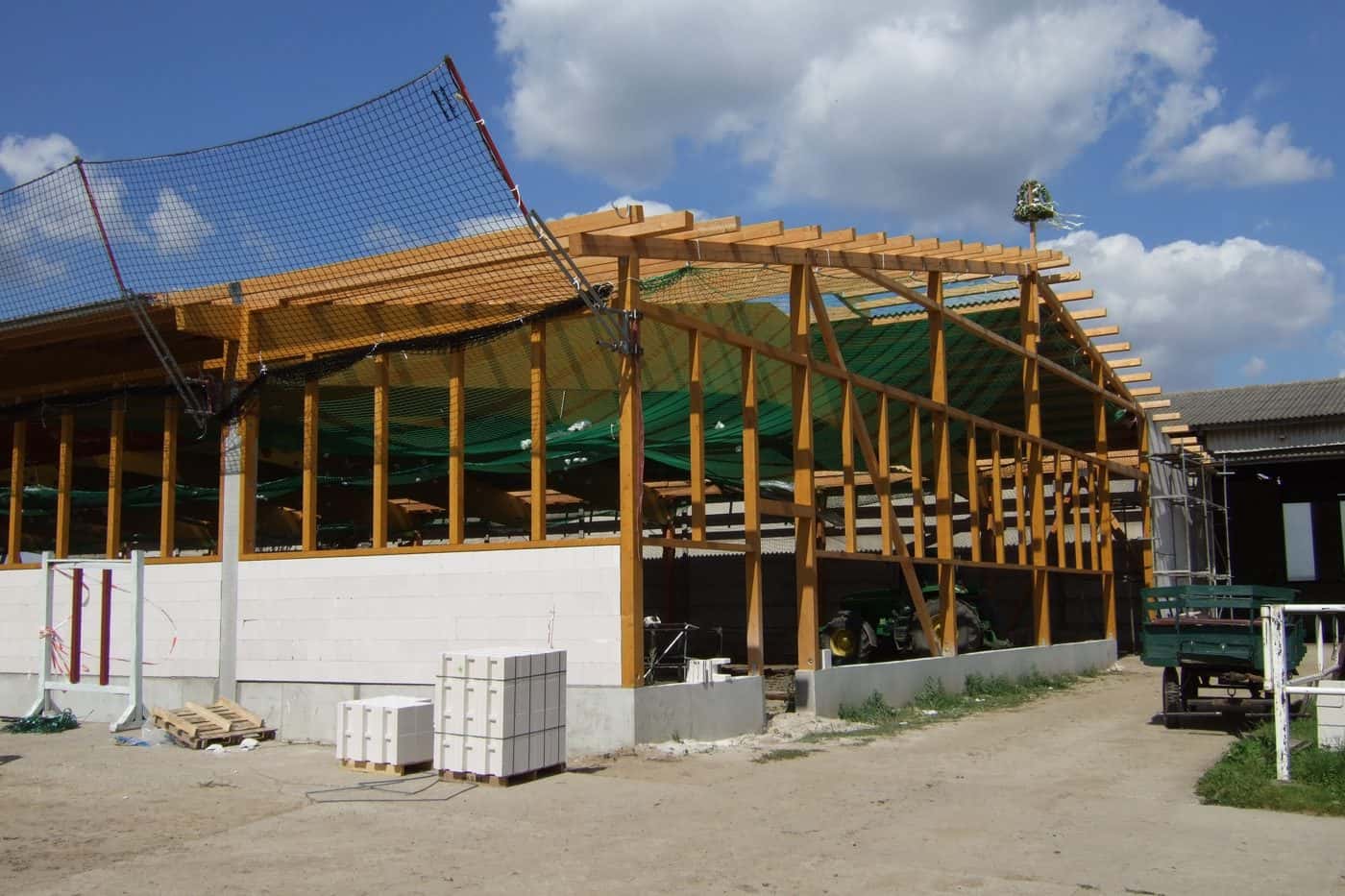
Course of construction insurance vs builders risk
There is no practical difference. Course of construction is the older name and is still common in California, other western states and many construction contracts. Builders risk is the more common name elsewhere. Policies sold under either name cover the structure being built, materials on site, and usually materials in storage and in transit.
If a contract, lender or permit office asks for course of construction coverage, a builders risk policy that meets the required limits and named parties will normally satisfy it. Check the exact wording the contract asks for.
Apply online
The online application asks the questions underwriters need for this coverage. Business owners fill it out directly, and insurance agents can complete it for a client or send it to them. Insurance agents can also request an appointment.
What course of construction insurance covers
- The building or addition while it is under construction or renovation
- Materials and supplies on site that will become part of the building
- Materials in storage away from the site and in transit, up to a set limit
- Temporary structures such as scaffolding, forms and fencing, when included
- Soft costs such as loan interest and permit fees after a covered delay, when added
What it usually does not cover
- Contractors' tools and equipment, which belong on an equipment floater
- Faulty workmanship or design, although resulting damage may be covered
- Wear and tear, mechanical breakdown and gradual deterioration
- Liability for injury or damage to others, which belongs on general liability
- Flood and earthquake, unless added, especially in California
Course of construction insurance for homeowners
New homes and additions
Homeowners building a new house, an addition or an accessory dwelling unit often need COC coverage, because a standard homeowners policy may not cover a structure while it is being built. Construction lenders usually require it.
Remodels
A major remodel can also need course of construction coverage, especially when walls or the roof are opened up or the house will be vacant during the work. Ask whether the existing structure is covered along with the new work.
California projects
COC is the usual term in California, where wildfire, earthquake and the length of permit-heavy projects all affect how a policy is written. Earthquake and flood are often excluded or need to be added separately.
Who pays for course of construction insurance
The construction contract decides. Owners often buy it on commercial projects, and general contractors often buy it on residential and smaller jobs. Whoever buys it should name the other party and the lender as their interests require.
How to get a course of construction quote
- Gather the construction contract and the completed value of the project.
- Note the construction type, number of stories, and the address.
- Give the start date and expected completion date.
- Describe site security: fencing, lighting, cameras and how materials are stored.
- List the lender and any other parties to be named on the policy.
- Choose the new construction or renovation application below.
Common questions
Is course of construction insurance the same as builders risk?
Yes. Course of construction (COC) and builders risk are two names for the same type of coverage on a building and its materials while it is under construction or renovation.
Who pays for course of construction insurance?
It depends on the contract. Owners often buy it on commercial projects and contractors on many residential projects. The other party and the lender are usually named on the policy.
Does course of construction insurance cover earthquake in California?
Usually not by default. Earthquake and flood are commonly excluded or offered only as added coverage, so ask for them to be quoted if the contract or lender requires them.
When does course of construction coverage end?
Usually when the building is completed and accepted, occupied, or put to its intended use, or when the policy term ends, whichever comes first. The building's permanent property or homeowners policy should start at that point.
Need a contractor license bond?
Many states and cities require a contractor license bond before you can get licensed or pull permits. Find the bond your state requires.
Ready for a quote?
One online application. Owners and agents both welcome.
Builders risk: new construction applicationRelated coverage
Builders Risk
Covers the building while it goes up: framing, materials on site and in transit, through completion.
Coverage & applicationBuilders Risk: New Construction
Ground-up homes, spec builds, and commercial projects from foundation to final.
Coverage & applicationBuilders Risk: Remodeling
Renovations, additions and gut rehabs, where new work goes into an existing building.
Coverage & applicationInstallation Floater
Covers materials and equipment you are installing until the owner accepts the job.
Coverage & quote