Riggers liability insurance
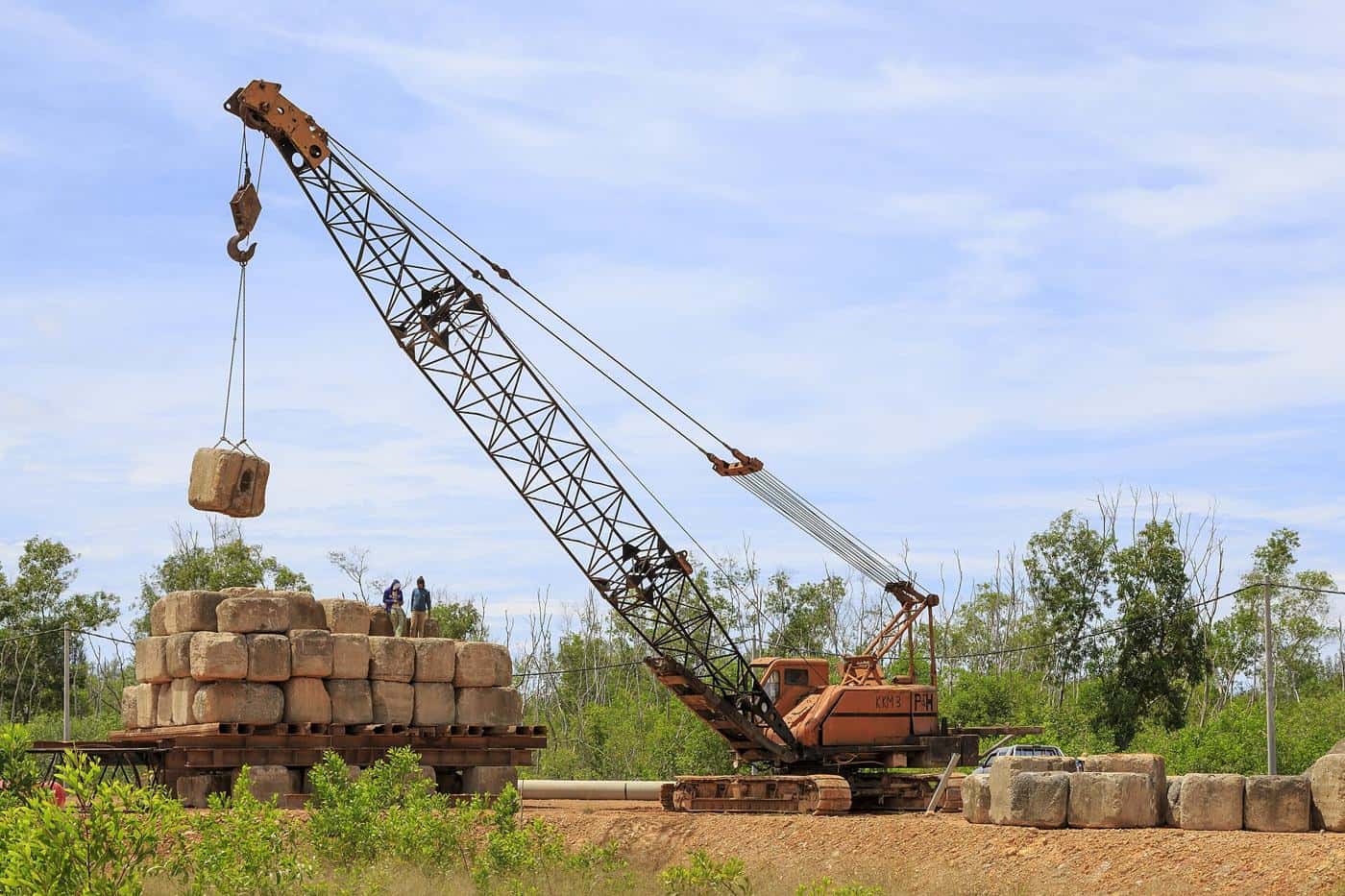
Most general liability policies exclude damage to property in your care, custody or control. When you are lifting a customer's $400,000 chiller onto a roof, that exclusion is the whole risk. Riggers liability is built for it.
Who needs it
- Crane rental and crane service companies
- Rigging contractors and millwrights
- Machinery movers and plant relocation crews
- HVAC and mechanical contractors who set rooftop equipment
- Sign and steel erectors handling owner-supplied items
Request a quote
There is no separate application for this class, so start with the short inland marine quote request. Someone will follow up with any underwriting questions specific to your risk. Insurance agents can also request an appointment.
Legal liability or direct damage
A riggers legal liability form pays only when you are legally liable for the damage. A direct damage form pays for damage to the customer's property while it is being handled regardless of fault, which customers and contracts often prefer.
When legal liability may be enough
Contractors handling lower-value items under contracts that do not ask for more sometimes choose legal liability. The customer's own property policy may respond first when you were not at fault.
When customers ask for direct damage
Plant owners and general contractors moving expensive machinery often want the item repaired without a fight over fault. Read the contract: if it says you must insure the property in your care, a direct damage form is often what it means.
What to do if a load is dropped or damaged
- Stop the lift, secure the site and make sure no one is hurt.
- Photograph the item, the rigging, the crane setup and the ground conditions before anything is moved.
- Keep the slings, shackles and other rigging gear involved, and do not throw anything away.
- Pull the lift plan, the load chart and the operator's certification for the job.
- Report the loss to your agent the same day and tell the customer in writing.
- Let the adjuster inspect the item before repairs start, unless waiting would cause more damage.
What underwriters look at
- Heaviest lift and highest value of a single item handled
- Crane types and capacities, owned or rented
- Operator certifications and lift planning procedures
- Annual receipts from rigging work
- Loss history
Common questions
Does my crane's equipment floater cover the load?
No. The equipment floater covers your crane. Riggers liability covers the customer's property being lifted.
Is riggers liability the same as cargo insurance?
No. Cargo insurance covers goods in transit on a truck. Riggers liability covers property while it is being lifted, moved into place or set, often on the customer's own premises.
How do I choose a riggers liability limit?
Start with the highest value of any single item you expect to lift or move during the policy term. Check your contracts too, since some customers set a minimum limit. If one job is far above your usual work, ask about raising the limit for that job.
Need a contractor license bond?
Many states and cities require a contractor license bond before you can get licensed or pull permits. Find the bond your state requires.
Related coverage
Installation Floater
Covers materials and equipment you are installing until the owner accepts the job.
Coverage & quoteEquipment Floater
Covers mobile equipment wherever it goes: the yard, the trailer, and every job site in between.
Coverage & applicationMotor Truck Cargo
Covers the freight on your truck: carriers legal liability, owners cargo and contingent cargo.
Coverage & applicationBailee Insurance
Covers customers' property while it is in your shop for repair, cleaning, storage or service.
Coverage & quote