Communications insurance for towers and broadcast equipment
Towers stand at remote sites, carry expensive electronics, and draw lightning. Communications coverage is inland marine written for towers, antennas, transmitters and the equipment shelters below them.
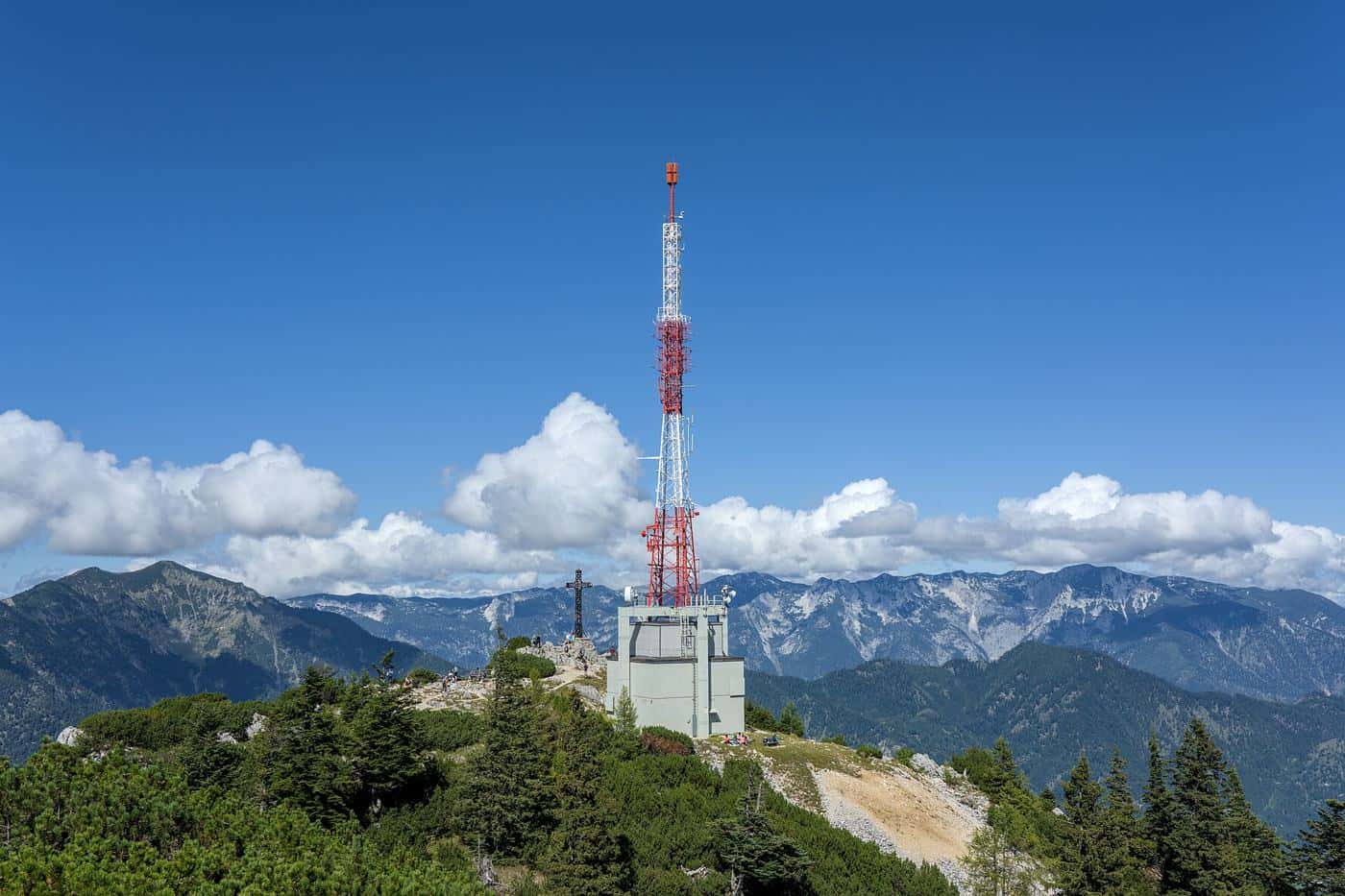
Who buys communications coverage
Tower owners and site managers
Companies that own towers and lease space to carriers and broadcasters. Their exposure is the structure itself, the shelters and the income from tenants if the tower comes down.
Broadcasters and wireless providers
Radio and TV stations, wireless internet providers and two-way radio operators insure transmitters, antennas, microwave links and studio equipment, often across several sites.
Private network operators
Utilities, municipalities, school districts and agricultural operations run private radio and data networks. Their sites can be overlooked on a general property schedule.
Request a quote
There is no separate application for this class, so start with the short inland marine quote request. Someone will follow up with any underwriting questions specific to your risk. Insurance agents can also request an appointment.
What can be covered
- Guyed and self-supporting towers and monopoles
- Antennas, transmitters, microwave and satellite dishes
- Equipment shelters, generators and HVAC at the site
- Studio and remote broadcast equipment
- Business income and extra expense when a site goes off the air
Typical tower losses
Lightning is a common cause of loss, damaging transmitters, radios and power equipment even when the tower stands. Ice load and high wind can bring down antennas or the tower itself, especially older guyed towers. Remote shelters see copper theft, break-ins and vandalism. Generator and HVAC failures can overheat electronics in the shelter. A vehicle strike on a guy wire anchor can bring down a tower.
What underwriters ask
- Tower height, type, age and design wind rating
- Location, including ice, wind and hurricane exposure
- Lightning protection and grounding
- Inspection and maintenance schedule
- Values of tower and equipment at each site
Gaps and exclusions to ask about
Collapse from structural deterioration, rust or poor maintenance is usually excluded. Underwriters want to see recent structural inspections. Wear, gradual deterioration and electrical breakdown may need equipment breakdown coverage added. Tenant equipment on your tower is usually the tenant's to insure, so check what your leases require. Earthquake and flood are often written with sublimits or excluded unless added. Business income may require a waiting period before it pays.
Communications coverage or property
A standard property policy is written for buildings and contents at a listed address. Towers are often excluded from property forms or covered with low limits. Communications coverage is built for the tower structure, the antennas and the electronics, spread across many remote sites, with business income tied to signal loss.
How to get a tower or broadcast quote
- List each site with its address or coordinates, tower height, type and year built.
- Value the tower, the antennas and lines, the shelter and the equipment inside for each site.
- Describe grounding, lightning protection, fencing and alarm monitoring at each site.
- Provide the most recent structural inspection reports and the maintenance schedule.
- Estimate lost revenue or extra expense if the largest site went off the air.
- Note any tenant leases, lender requirements or landlord insurance clauses.
Common questions
Who buys communications coverage?
Tower owners, broadcasters, wireless internet providers, two-way radio dealers, and businesses with private communications sites, such as utilities and municipalities.
Is lightning damage to transmitters covered?
Lightning is usually a covered peril for physical damage. Electrical arcing or breakdown not caused by lightning may need equipment breakdown coverage, so ask how the policy treats surge damage.
Who insures carrier equipment on my tower?
Usually the tenant. Most tower leases make each tenant insure its own antennas and radios and name the tower owner as additional insured on liability.
Does the policy cover the cost of getting back on the air?
Extra expense coverage can pay for temporary equipment, a temporary site or emergency crews to restore service faster. Ask whether it is included and what limit applies.
Related coverage
EDP & Computers
Servers, laptops, point-of-sale and data processing equipment, plus data restoration.
Coverage & quoteSolar Farms
Utility-scale and community solar: construction, operations, and lost revenue.
Coverage & quoteOil & Gas Equipment
Lease and well equipment, rigs, pumps and oilfield service equipment.
Coverage & quoteMiscellaneous Floater
For movable business property that doesn't fit any other class, listed item by item.
Coverage & quote