Equipment rented to others insurance
Many contractor equipment policies exclude machines while they are rented to someone else. If you rent out idle equipment, even occasionally, the policy has to say it is covered.
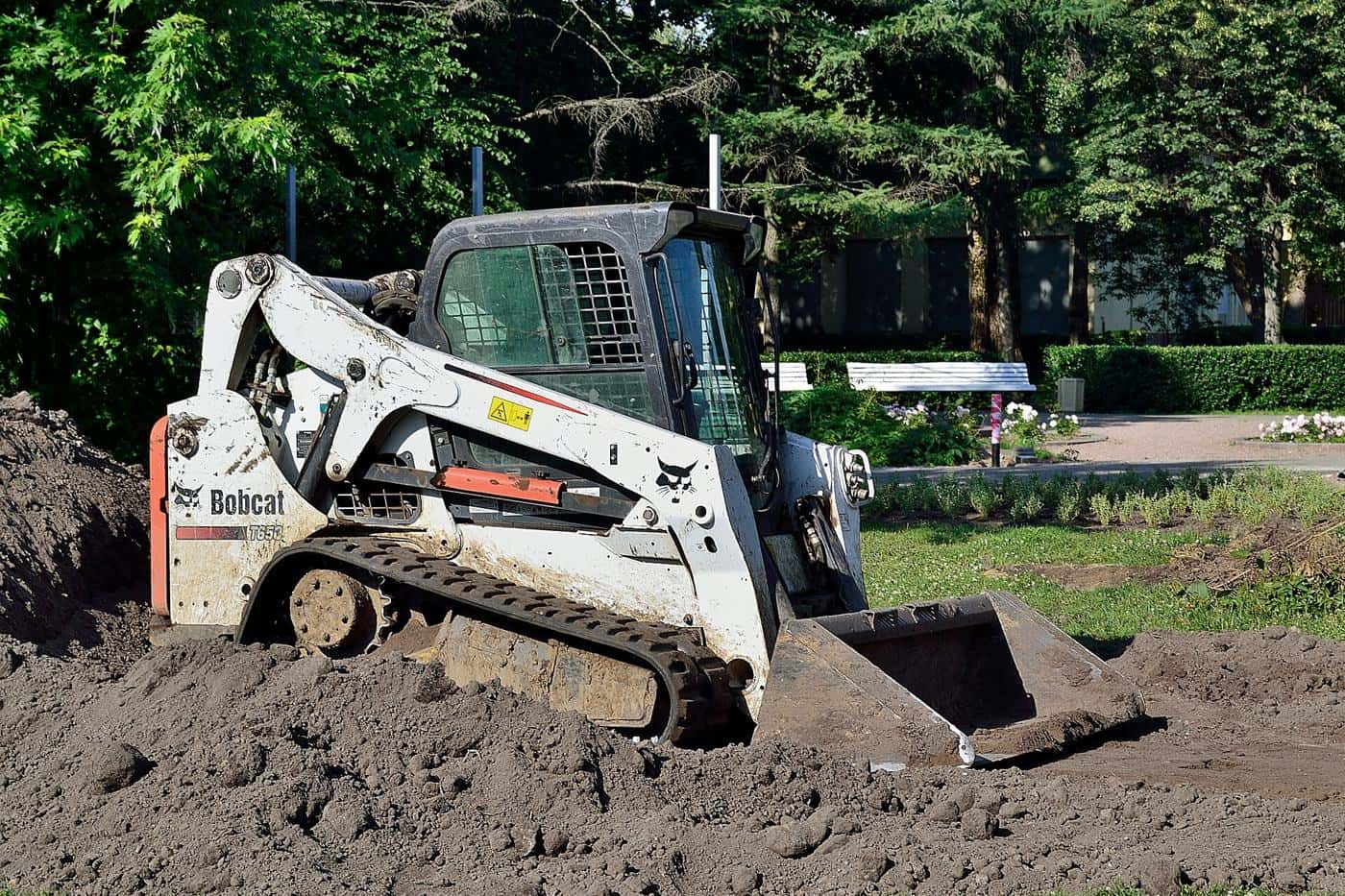
Two different exposures
Renting equipment out involves two separate risks, and they belong on two separate coverages.
- Physical damage to the machine while the renter has it: theft, rollover, fire, vandalism. This is inland marine.
- Liability if the machine injures someone or damages property while rented. This is general liability, and many contractor GL policies exclude it.
Apply online
The online application asks the questions underwriters need for this coverage. Business owners fill it out directly, and insurance agents can complete it for a client or send it to them. Insurance agents can also request an appointment.
One equipment floater. Four coverages. Pick any combination.
You don't need four policies. Each of these is an option on the same equipment floater, and the application asks which ones you want.
- Equipment you ownScheduled machines plus a blanket limit
- Equipment rented FROM othersRental and leased machines in your care
- Equipment rented TO othersYou are here
- Tools and small equipmentHand and power tools, lasers, ladders
Rented with an operator or without
Carriers treat bare rentals (equipment only) very differently from operated rentals (your operator comes with the machine). Operated rentals are closer to contracting work. Bare rentals depend heavily on how well the renter is screened and what the rental contract says.
Bare rentals
The renter's own people run the machine, so you have no control over how it is used. Underwriters look closely at renter screening, the indemnity wording in your contract, and whether you require the renter's certificate before the machine leaves your yard.
Operated rentals
Your employee runs the machine on someone else's job. That brings in your workers compensation, your operator's training, and liability for the work itself, so it is often rated more like contracting than renting.
What underwriters ask about
- Percentage of receipts from rentals versus your own contracting work
- Whether rentals are bare or operated
- The written rental agreement, including indemnity and insurance requirements for renters
- Whether you require renters to show their own insurance
- Delivery, setup and pickup of the equipment
How to get a quote for equipment you rent out
- List each machine you rent out with year, make, model, serial number and value, and note which ones stay in your own fleet when not rented.
- Estimate annual rental receipts and the share of your total revenue they represent.
- Note for each machine whether it goes out bare, with an operator, or both.
- Send a copy of your current rental agreement, including the indemnity, damage and insurance sections.
- Describe how you screen renters and whether you collect their certificate of insurance before release.
- Include any losses on rented-out equipment in the past five years, including ones you settled with the renter directly.
Common questions
I only rent a machine out a few times a year. Do I need anything?
Yes. Occasional rentals are exactly where gaps show up, because nobody thinks to tell their insurance until a rented machine is damaged. Ask for coverage for equipment rented to others to be added, even if the rental income is small.
Should my renter carry insurance?
Your rental agreement should require the renter to carry general liability naming you as additional insured and, for expensive equipment, rented equipment coverage naming you as loss payee. That makes their policy respond first.
Is this the same as running a rental yard?
A full-time rental business has its own class and its own application. See the equipment rental business page if rentals are your main source of revenue.
What if a renter never returns the machine?
Some policies exclude or limit loss when a renter keeps or sells the equipment, since it can be treated as a voluntary parting rather than theft. Ask how the policy handles conversion by a renter and what the rental agreement needs to say.
Need a contractor license bond?
Many states and cities require a contractor license bond before you can get licensed or pull permits. Find the bond your state requires.
Ready for a quote?
One online application. Owners and agents both welcome.
Apply for equipment coverageRelated coverage
Equipment Rental Business
Rental yards renting tools, lifts, light towers and heavy equipment to contractors and homeowners.
Coverage & applicationEquipment Rented From Others
Covers machines you rent or lease for a job, so a rental contract loss doesn't come out of pocket.
Coverage & applicationOwned Equipment
Scheduled or blanket coverage for the machines and attachments you own or finance.
Coverage & applicationPortable Toilet Rental
General liability plus coverage for your units, trailers and service equipment.
Coverage & application