Equipment floater insurance for contractors
A floater is inland marine coverage that follows the property. Your excavator is covered at the shop, on the lowboy and on the job site, so you are not relying on a building policy that stops at the property line.
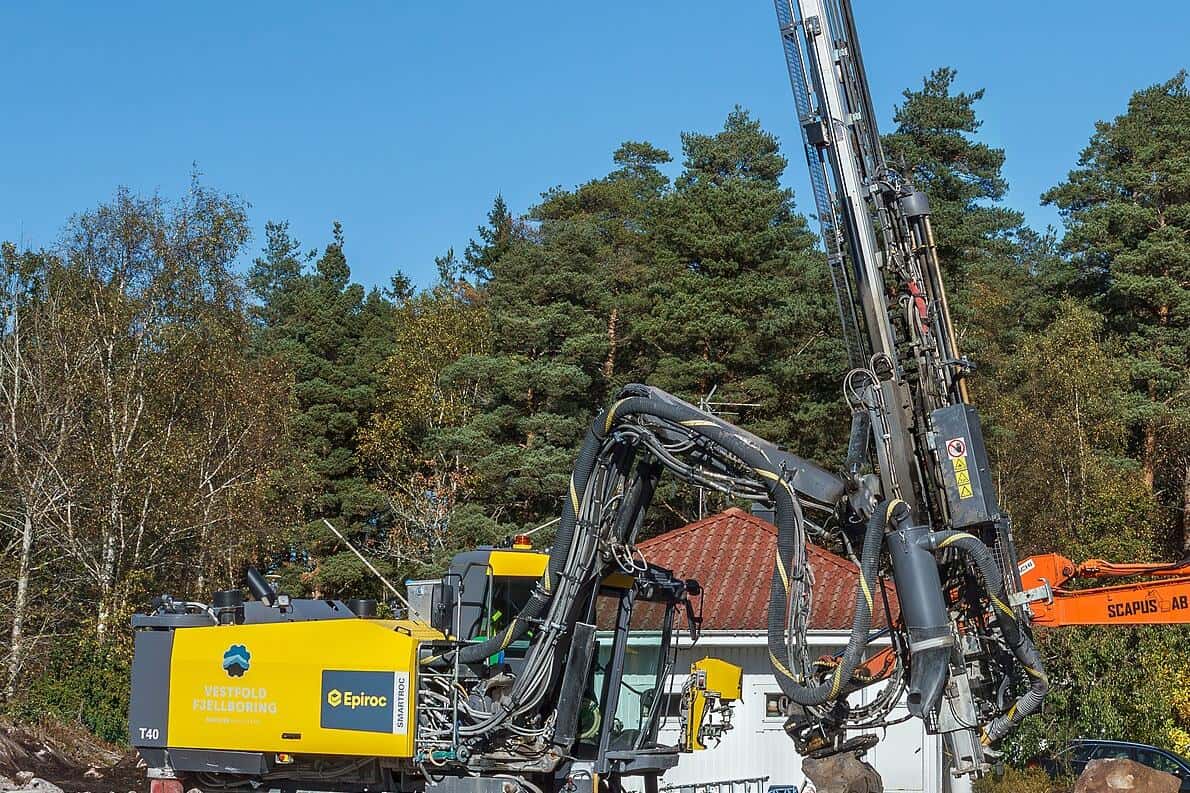
Why it is called a floater
Commercial property policies cover things at a listed address. Contractors equipment spends most of its life somewhere else. A floater "floats" with the equipment, so coverage applies at any location within the policy territory, usually the continental United States and Canada.
Most equipment floaters are written on an open-perils basis. Everything is covered unless the policy excludes it, which is the opposite of a named-perils form that lists only fire, theft and a few others.
Apply online
The online application asks the questions underwriters need for this coverage. Business owners fill it out directly, and insurance agents can complete it for a client or send it to them. Insurance agents can also request an appointment.
One equipment floater. Four coverages. Pick any combination.
You don't need four policies. Each of these is an option on the same equipment floater, and the application asks which ones you want.
- Equipment you ownScheduled machines plus a blanket limit
- Equipment rented FROM othersRental and leased machines in your care
- Equipment rented TO othersYour machines while someone else has them
- Tools and small equipmentHand and power tools, lasers, ladders
What an equipment floater usually covers
- Theft of the machine, including theft from an unlocked job site when the policy does not require it be secured
- Collision and upset, the most common loss for loaders, skid steers and excavators
- Fire, vandalism, windstorm, flood and falling objects
- Damage while loading, unloading or hauling on a trailer
- Equipment you rent or lease from others, when that extension is added
Scheduled or blanket
Larger machines are usually scheduled, meaning each one is listed with its year, make, model, serial number and value. Smaller pieces can go under a blanket limit with a per-item maximum, so a new compactor is covered the day it arrives without an endorsement.
Most contractors use both: schedule anything over a set value and let a blanket limit pick up the rest. See the full comparison on the owned equipment page.
What is usually excluded
- Mechanical or electrical breakdown and normal wear and tear (equipment breakdown can sometimes be added)
- Equipment while it is working underground or underwater, unless endorsed
- Licensed road vehicles, which belong on a commercial auto policy
- Unexplained disappearance or inventory shortage
- Loss caused by overloading a crane or boom beyond its rated capacity
Gaps to ask about before you buy
Two floaters can look the same on a quote and respond very differently to a claim. These are the conditions worth reading closely.
Theft from an unsecured site
Some policies require equipment to be locked, fenced or disabled after hours, and reduce or deny a theft claim when it was not. Ask what the security condition says and whether it applies on job sites or only at your yard.
Flood and earthquake sublimits
Many floaters cover flood and earthquake but cap them at a lower sublimit than the full schedule. If you park machines in a low-lying yard or work near rivers, ask what that sublimit is and whether it applies per occurrence or per year.
Transit by a for-hire carrier
Hauling on your own trailer is usually covered. Shipping a machine on a hired lowboy may fall under a separate transit limit, or depend on the trucking company's own cargo coverage. Ask before you move equipment long distances.
Rental expense while a machine is down
The floater pays to repair or replace the machine. It does not pay to rent a substitute unless rental reimbursement or rental expense coverage is added. A job that cannot stop for three weeks while parts arrive is the reason to ask for it.
What to do after an equipment loss
- Make the site safe and stop further damage, for example by moving a damaged machine out of standing water or covering exposed controls.
- For theft or vandalism, file a police report the same day and keep the report number. Give police the serial number and any GPS tracking data.
- Photograph the machine, the scene and any signs of forced entry or cut locks before anything is moved or repaired.
- Report the claim to your insurance contact with the year, make, model, serial number and where the loss happened.
- Get a written repair estimate from a dealer or qualified shop, and do not start major repairs until the adjuster has had a chance to inspect.
- If you need to rent a replacement to keep the job running, keep the rental contract and invoices, since rental expense coverage, if you carry it, will ask for them.
Common questions
Is contractors equipment insurance inland marine?
Yes. Contractors equipment insurance is a type of inland marine coverage. Inland marine is the line of insurance for property that moves or sits at temporary locations, which describes most construction equipment.
Is an equipment floater the same as contractors equipment insurance?
In practice, yes. Contractors equipment insurance is the class of business and equipment floater is the policy form. Both describe inland marine coverage for mobile equipment that moves between locations.
Does my general liability policy cover my equipment?
No. General liability responds to injury and damage you cause to others. Damage to your own equipment is a property loss, and property policies tied to a building address usually exclude equipment away from that address.
Does a floater cover my dump truck?
Usually not. Vehicles licensed for road use belong on a commercial auto policy. Equipment mounted on a truck, such as a crane or a pump, can sometimes be scheduled on the floater separately from the truck itself.
Does a floater cover equipment if it breaks down on the job?
Usually not. Mechanical and electrical breakdown and wear and tear are standard exclusions on most floaters. Some policies offer an equipment breakdown endorsement, so ask whether it is available for your machines.
Need a contractor license bond?
Many states and cities require a contractor license bond before you can get licensed or pull permits. Find the bond your state requires.
Ready for a quote?
One online application. Owners and agents both welcome.
Start the contractors equipment applicationRelated coverage
Owned Equipment
Scheduled or blanket coverage for the machines and attachments you own or finance.
Coverage & applicationEquipment Rented From Others
Covers machines you rent or lease for a job, so a rental contract loss doesn't come out of pocket.
Coverage & applicationContractors Tools
Hand and power tools on the truck, in the gang box, and at the job site.
Coverage & applicationEquipment Rented to Others
For contractors and owners who rent machines out: physical damage coverage plus the liability side.
Coverage & application